April 29, 2026
Investing in a septic tank is more than a basic utility decision. It can affect a property’s value, long-term maintenance costs, environmental impact, and overall appeal to future buyers. For homeowners in areas without access to public sewer systems, a septic system may be a necessary part of owning and maintaining the property. For others, it may represent a practical investment in independence, efficiency, and long-term waste management.
The optics of a septic tank investment depend on how the system is installed, maintained, and viewed by the surrounding community. A well-designed and properly cared-for system can support a cleaner property, reduce reliance on municipal infrastructure, and provide dependable wastewater treatment for many years. On the other hand, a neglected system can create financial stress, environmental issues, and possible legal concerns. Taking time to review the financial, environmental, technological, and community-related factors can help property owners make informed decisions.
Financial Considerations
Initial Investment Costs
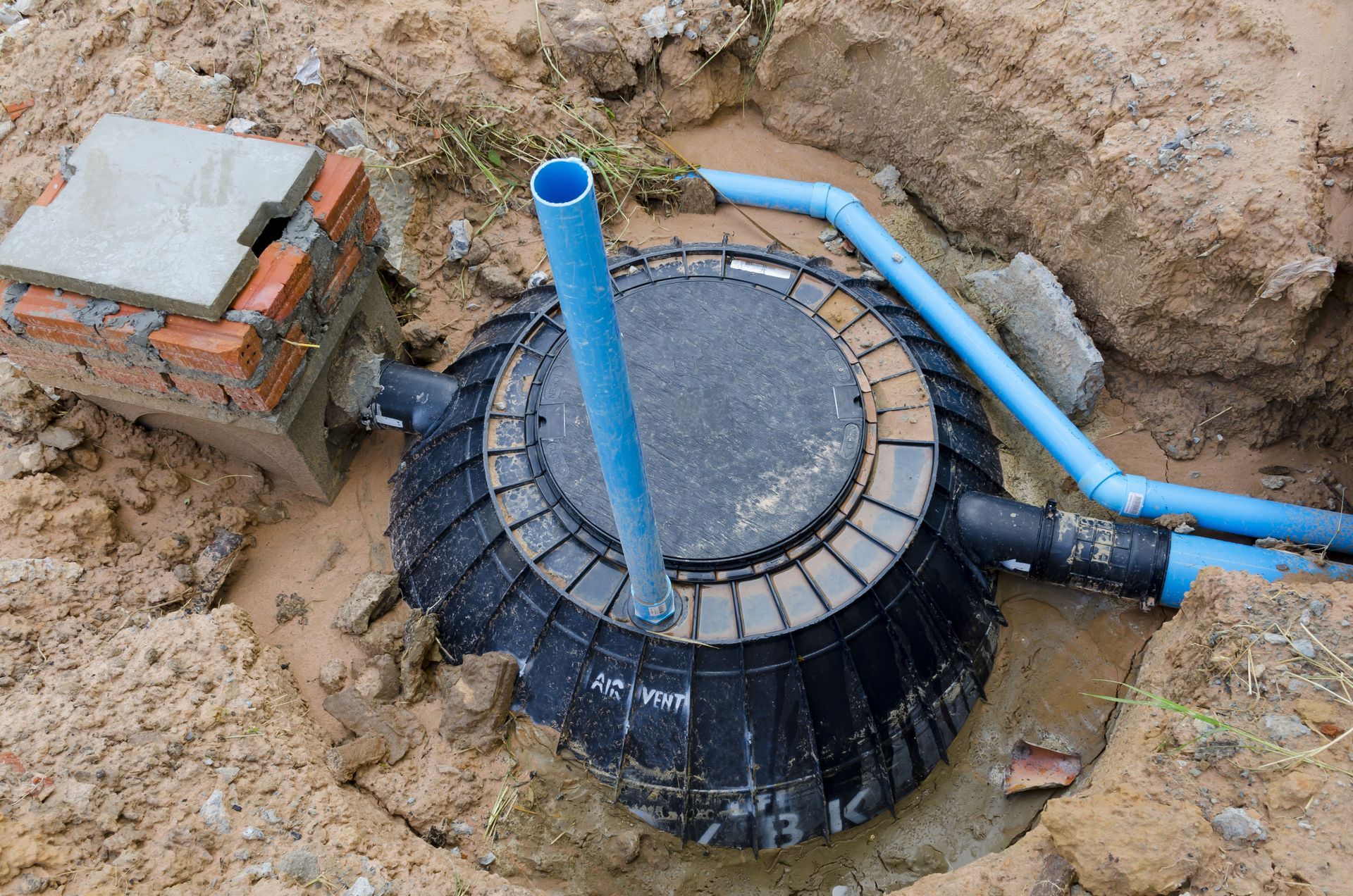
The initial cost of a septic tank system can vary based on the size of the property, soil conditions, local regulations, tank materials, and installation needs. In many cases, the upfront expense includes the tank, excavation, drain field preparation, permits, inspections, and any needed changes to the surrounding land. These costs can feel significant, especially for homeowners who are already managing other property expenses.
However, in areas without public sewer access, a septic system is often a necessary investment rather than an optional upgrade. A properly installed system allows the home to function safely and independently. Property owners should review the full scope of installation before making a decision, including possible site challenges, permitting timelines, and long-term service needs. Working with a local septic service can also help homeowners understand common property conditions in their area.
Maintenance and Operational Expenses
Ongoing maintenance is one of the most important financial factors connected to septic system ownership. Routine pumping, inspections, and minor repairs can help prevent more expensive problems later. According to Family Handyman, a septic system will run efficiently for an average of 20 years before needing replacement, making consistent maintenance crucial.
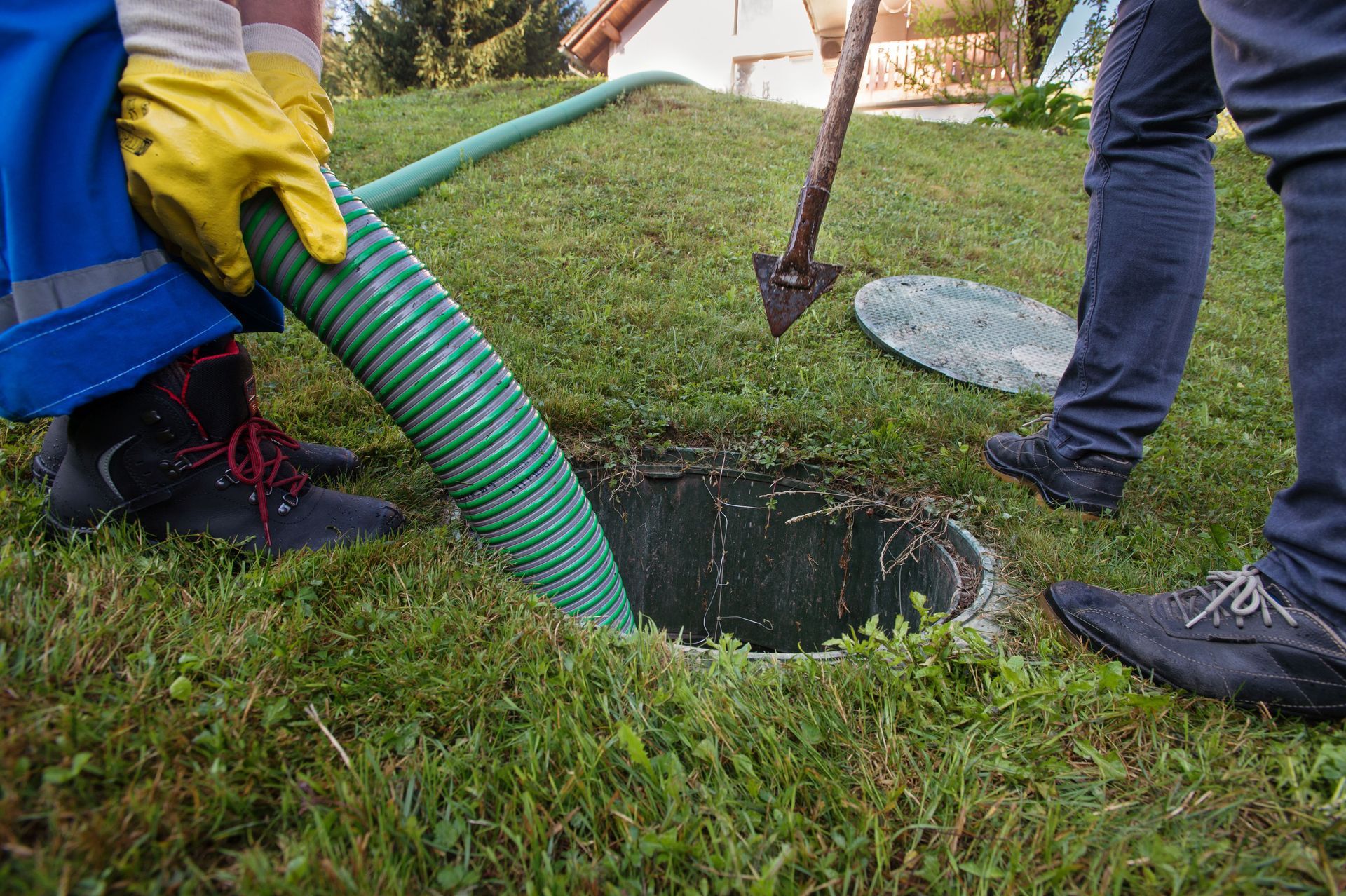
These costs should be viewed as part of the system’s long-term ownership plan. Skipping maintenance may save money in the short term, but it can lead to backups, drain field failure, unpleasant odors, property damage, or contamination concerns. Regular appointments with a local septic service help protect the investment and support steady performance throughout the system’s lifespan.
Return on Investment
Evaluating the return on investment for a septic tank depends on the property’s location and available alternatives. In rural areas, a septic system may be the most practical wastewater solution. It can also help homeowners avoid monthly sewer service fees, although they will still need to budget for maintenance and occasional repairs.
A modern, efficient septic system can also support a home’s marketability. Buyers may feel more confident when documentation shows that the system has been inspected, maintained, and updated as needed. A failing or outdated system, however, can become a negotiation issue during a sale. From an investment perspective, support from a local septic service can help preserve property value and reduce costly surprises.
Impact on Property Value
A septic system can influence property value in both positive and negative ways. A well-maintained system that meets local requirements can make a property more appealing, especially in areas where septic systems are common. Buyers may see it as a reliable part of the home’s infrastructure when records show that it has been serviced regularly.
In contrast, an aging or poorly maintained system can raise concerns. Potential buyers may worry about replacement costs, repair needs, or environmental risks. For this reason, homeowners should keep maintenance records, schedule inspections, and address issues early. Clear documentation from a local septic service can strengthen buyer confidence and support a smoother real estate transaction.
Tax and Insurance Considerations
Septic systems may also involve tax and insurance considerations. Some regions offer incentives for certain environmentally friendly upgrades or advanced wastewater systems, although availability varies by location. Property owners should review local programs and speak with qualified tax professionals before assuming that an incentive applies.
Insurance is another important part of the financial picture. Standard homeowners insurance may not cover every type of septic-related problem, especially if the issue is linked to neglect or gradual wear. Speaking with an insurance provider and a local septic service can help homeowners understand coverage limits, maintenance expectations, and potential liabilities.
Environmental Impact
Wastewater Treatment Efficiency
Septic tanks play an important role in treating household wastewater before it returns to the surrounding environment. The tank separates solids from liquid waste, while the drain field allows treated wastewater to move through the soil. When the system is designed and maintained correctly, this process can help reduce contamination risks and protect nearby water sources.
Efficiency depends on several factors, including soil quality, system design, household water use, and maintenance habits. Overloading the system with too much water or flushing improper materials can disrupt performance. Responsible use, along with help from a local septic service, helps the system process wastewater more effectively and supports healthier land and water conditions.
Pollution Risks and Prevention
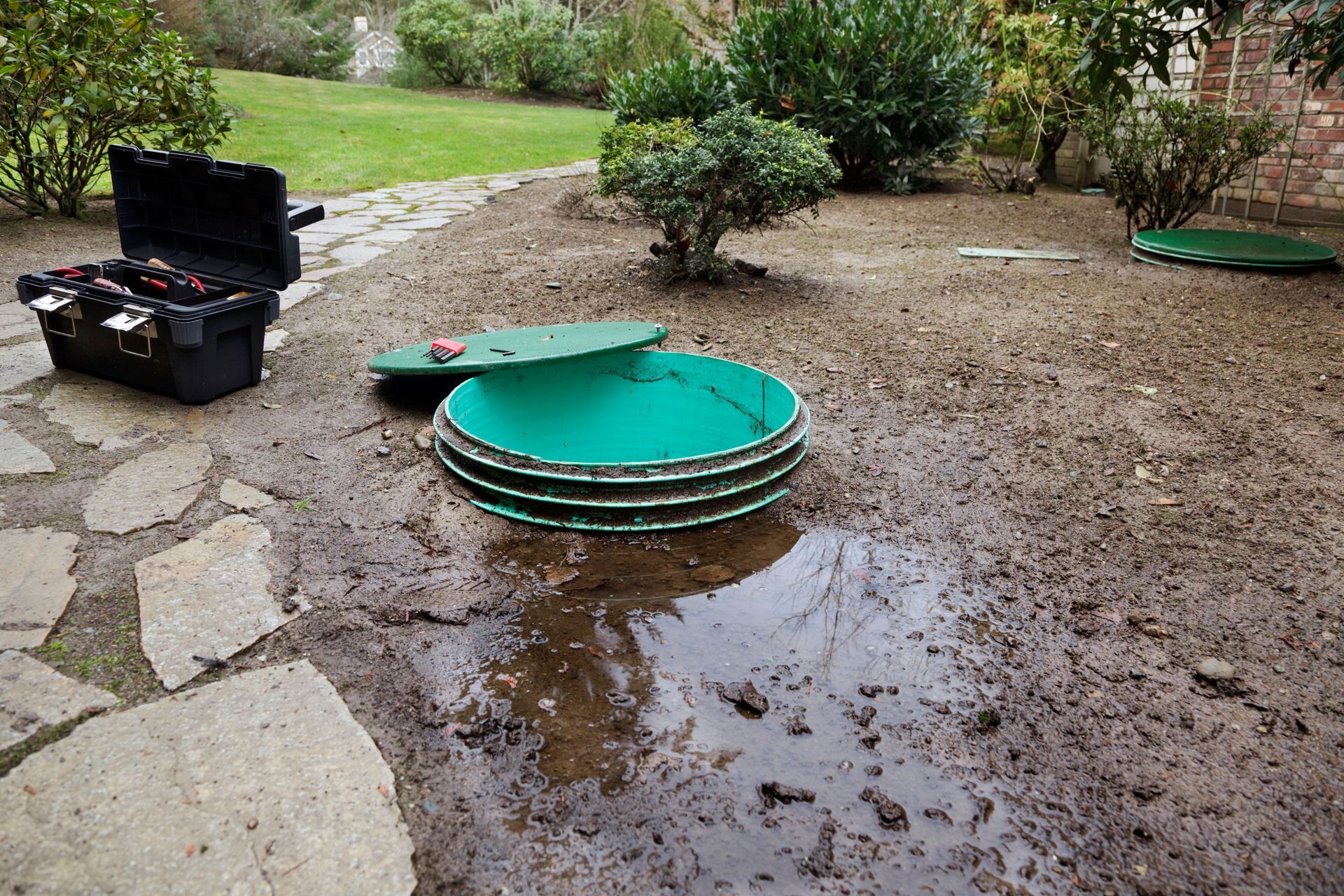
A septic system can create pollution risks if it is neglected or improperly installed. Leaks, backups, and drain field failure can allow harmful contaminants to reach soil, groundwater, or nearby surface water. These problems can affect both the property owner and the surrounding community.
Preventive care is the best way to reduce these risks. Homeowners should schedule regular inspections, pump the tank when needed, limit unnecessary water use, and avoid flushing grease, wipes, harsh chemicals, or other materials that can disrupt the system. Routine care from a local septic service helps protect the system and reduce the chance of environmental damage.
Sustainable Practices
Sustainable septic system ownership begins with daily choices. Using water-efficient fixtures, spacing out laundry loads, repairing leaks quickly, and choosing septic-safe products can all support system health. These practices reduce stress on the tank and drain field while helping the system work more efficiently.
Some property owners may also consider advanced treatment systems, enhanced filtration, or other upgrades that improve wastewater processing. These options may cost more upfront, but they can provide added environmental benefits in sensitive areas. A local septic service can help homeowners compare options that balance performance, cost, and sustainability.
Impact on Local Ecosystems
Septic systems can affect local ecosystems when they are not properly maintained. Excess nutrients or contaminants from a failing system may alter soil and water conditions, which can affect plants, wildlife, and nearby waterways. This is especially important for properties near lakes, rivers, wetlands, or protected habitats.
Responsible septic ownership helps limit these risks. A properly functioning system supports safe wastewater treatment and reduces the likelihood of harmful runoff or seepage. Homeowners who understand the connection between their septic system and local ecology are better prepared to make responsible maintenance decisions.
Regulations and Compliance
Septic systems are regulated at the local or state level, and requirements can vary widely. Rules may cover system design, permitting, installation, inspection schedules, setbacks from water sources, and repair standards. These regulations are designed to protect public health and reduce environmental harm.
Compliance is a key part of protecting the investment. Failing to follow local requirements may lead to fines, delayed property sales, repair orders, or legal disputes. Property owners should stay informed about local rules and work with licensed professionals when installing, inspecting, or repairing a system.
A septic tank investment involves financial planning, environmental responsibility, technology awareness, and community consideration. While the upfront cost can be significant, a well-maintained system can provide dependable wastewater treatment, support property value, and reduce reliance on municipal infrastructure. The key is to treat septic ownership as an ongoing responsibility rather than a one-time installation. A dependable local septic service can also help property owners keep their systems working properly through inspections, maintenance, repairs, and practical guidance. Contact Tri-County Septic Service today to learn more.