May 5, 2026
Installing a new septic system is a major project for any homeowner. Whether you are building a new home, replacing a failing system, or improving a rural property that does not connect to a municipal sewer line, the right septic setup matters. A septic system is responsible for collecting, treating, and dispersing wastewater safely, so every part of the project should be planned with care.
A new system is not just about placing a tank underground. It involves evaluating the property, choosing the right system size, reviewing soil conditions, following local requirements, and making sure the system can support the household's daily water use. In this article, we'll explain what to expect when installing a new system with a local septic service and why professional guidance is so important.
Planning the System Around the Property
Every property has different septic needs. Lot size, soil type, slope, groundwater level, nearby wells, tree placement, and available space can all affect where and how a system is installed. Before work begins, the property must be reviewed to determine what type of system makes sense.
A septic professional may look at the location of the home, driveway, landscaping, and future building plans. This helps prevent placement issues that could affect access, drainage, or long-term maintenance. For example, a septic tank should be placed where service trucks can reach it when pumping or inspections are needed.
Planning also helps avoid conflicts with other property features. A careful design can protect the home, yard, water sources, and surrounding areas while giving the system enough room to function properly.
Choosing the Right Tank Size
Tank size is one of the most important decisions during septic installation. A tank that is too small may become overloaded, leading to backups, drainage problems, or early system failure. A tank that is properly sized can handle daily wastewater needs more effectively.
According to Forbes, your family needs a septic tank that holds twice the amount of water used on a daily basis. This guideline shows why household size and water usage should be reviewed before installation. Bedrooms, bathrooms, appliances, laundry habits, and daily routines can all affect wastewater flow.
A local septic service can help determine the right tank size based on the home and local requirements. Choosing the correct size from the beginning can support better performance and reduce the risk of future problems.
Reviewing Soil and Drain Field Conditions
The drain field plays a major role in septic system performance. After wastewater leaves the tank, it moves into the drain field, where soil helps filter and disperse it. If the soil does not drain properly, the system may not work as intended.
Before installing a new septic system, soil testing is often required. This may include a percolation test or other site evaluation to see how well the soil absorbs water. Sandy soils, clay soils, rocky ground, and high water tables can all affect system design.
A drain field also needs enough usable space. It should not be placed too close to structures, wells, property lines, or areas with heavy vehicle traffic. Proper planning can help prevent soggy ground, odors, backups, and environmental concerns.
Following Local Codes and Permit Requirements
Septic installation is regulated because it affects public health and the environment. Most areas require permits, inspections, and approval before a new system can be installed. Requirements can vary based on location, property type, soil conditions, and system design.
Working with professionals can make this process easier. They can help homeowners understand what permits are needed and what steps must happen before installation begins. This may include site evaluations, design approvals, health department reviews, and final inspections.
Following local rules is essential. Installing a system without proper approval can create problems when selling the home, making future improvements, or addressing system failures. A local septic service understands area requirements and can help move the project forward correctly.
Preparing the Site for Installation
Once the design and permits are ready, the installation site must be prepared. This may involve marking utilities, clearing the work area, planning equipment access, and protecting parts of the property that should not be disturbed.
Excavation is a key part of the project. Crews must dig space for the tank, pipes, and drain field components. The depth and placement must match the approved design. Accurate grading is also important because wastewater needs to move through the system properly.
Site preparation may temporarily affect the yard, driveway, or landscaping. While some disruption is normal, careful planning can help reduce unnecessary damage. Homeowners should talk with the septic provider about what to expect before work begins.
Installing the Tank and System Components
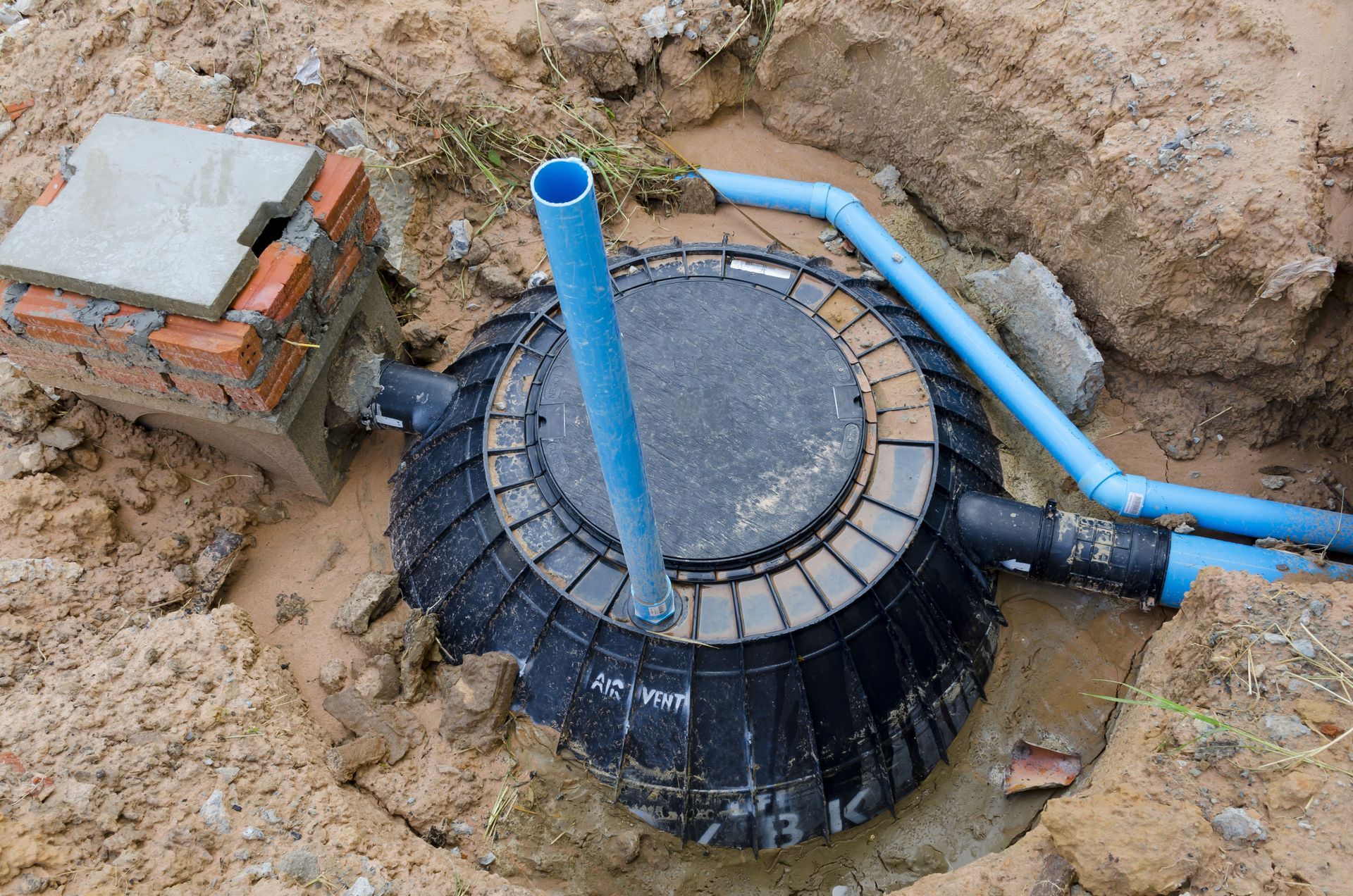
During installation, the septic tank is placed in the prepared excavation area. Pipes connect the home to the tank, and additional lines connect the tank to the drain field. Depending on the system, there may also be distribution boxes, pumps, filters, alarms, or advanced treatment components.
Each part of the system must be installed correctly for the full setup to work. Pipes need the proper slope, the tank must be level, and the drain field materials must be placed according to the design. Small installation mistakes can lead to performance problems later.
This is why experience matters. Professional installation helps the system operate as intended and supports long-term reliability.
Learning How to Maintain the New System
After installation, homeowners should understand how to care for the system. Septic systems require regular maintenance, and good daily habits can make a major difference. A new system still needs pumping, inspections, and responsible water use.
Homeowners should avoid flushing wipes, grease, harsh chemicals, feminine hygiene products, and other items that can clog or disrupt the system. It is also important to spread out laundry loads, fix leaks promptly, and avoid driving or building over the drain field.
A local septic service can explain the recommended maintenance schedule for the specific system. This guidance helps homeowners protect their investment and reduce the chance of avoidable repairs.
Knowing the Signs of Trouble
Even a new septic system should be monitored for warning signs. Slow drains, gurgling sounds, sewage odors, wet areas near the drain field, or backups inside the home should never be ignored. These signs may point to clogs, drainage issues, overuse, or installation-related concerns.
Addressing problems early can prevent more serious damage. Homeowners should also keep records of installation, inspections, pumping, repairs, and permits. These records can be helpful for future maintenance, warranty questions, or home sales.
Routine attention helps keep the system working properly and gives homeowners more confidence in their wastewater setup.
Installing a new septic system is a detailed process that requires planning, proper sizing, soil evaluation, permits, careful installation, and ongoing maintenance. From choosing the right tank to preparing the drain field, each step affects how well the system performs over time. Working with experienced professionals can help homeowners avoid costly mistakes and build a system that fits their property's needs. It also gives you a chance to ask questions about water usage, pumping schedules, warning signs, and how to protect the drain field after installation. If you are planning a new installation or replacing an old system, contact Tri-County Septic Service LLC today to schedule an evaluation and get started.