July 15, 2026
Understanding the implications of buying a home with a septic tank system is crucial for potential homeowners. Proper evaluation and maintenance can lead to a smooth transition and ensure a healthy and efficient wastewater management system. This article outlines key considerations and frequent inquiries regarding homes with septic tanks.
1. What are the Initial Checks for a Septic System?
1.1 Locating the Septic Tank
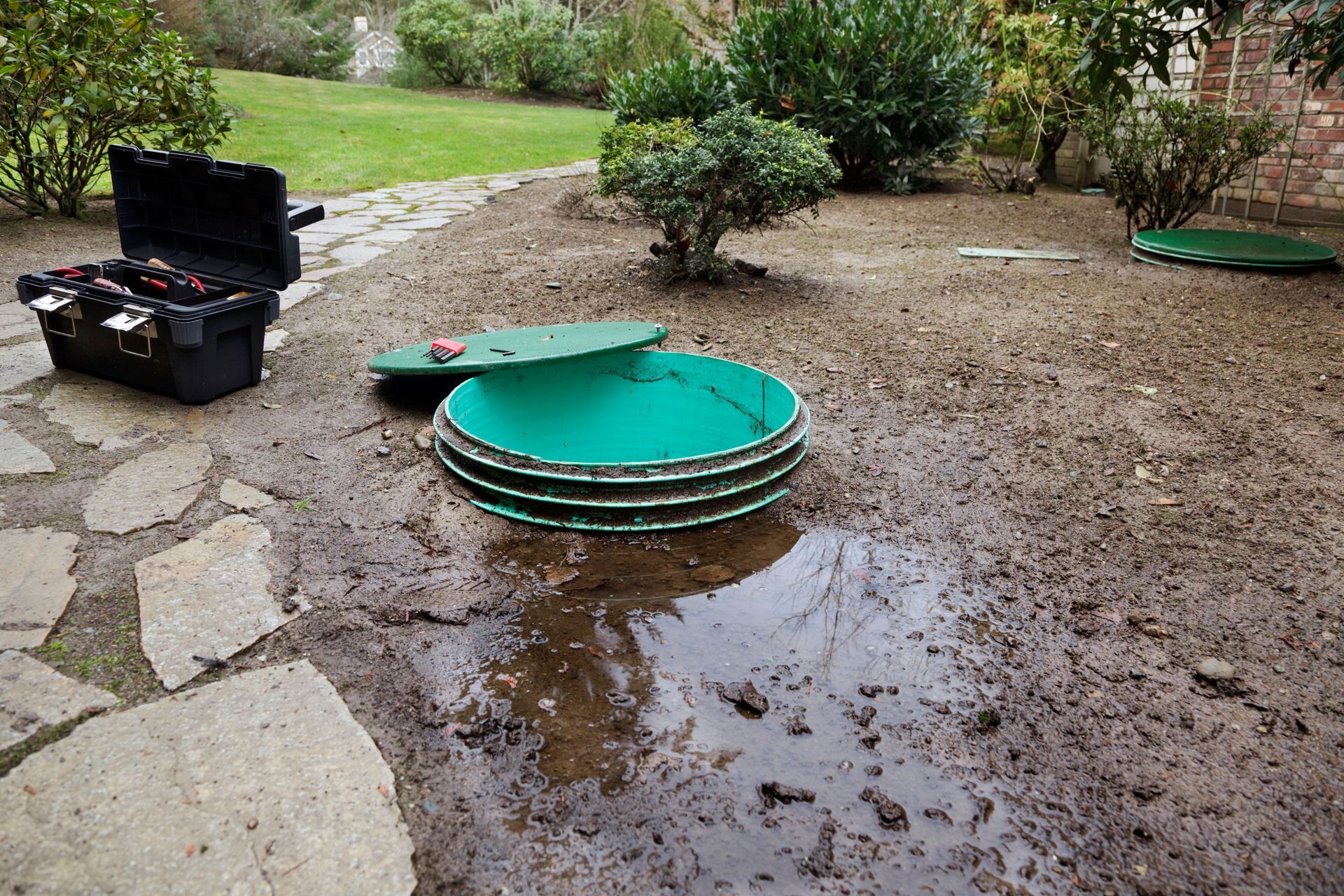
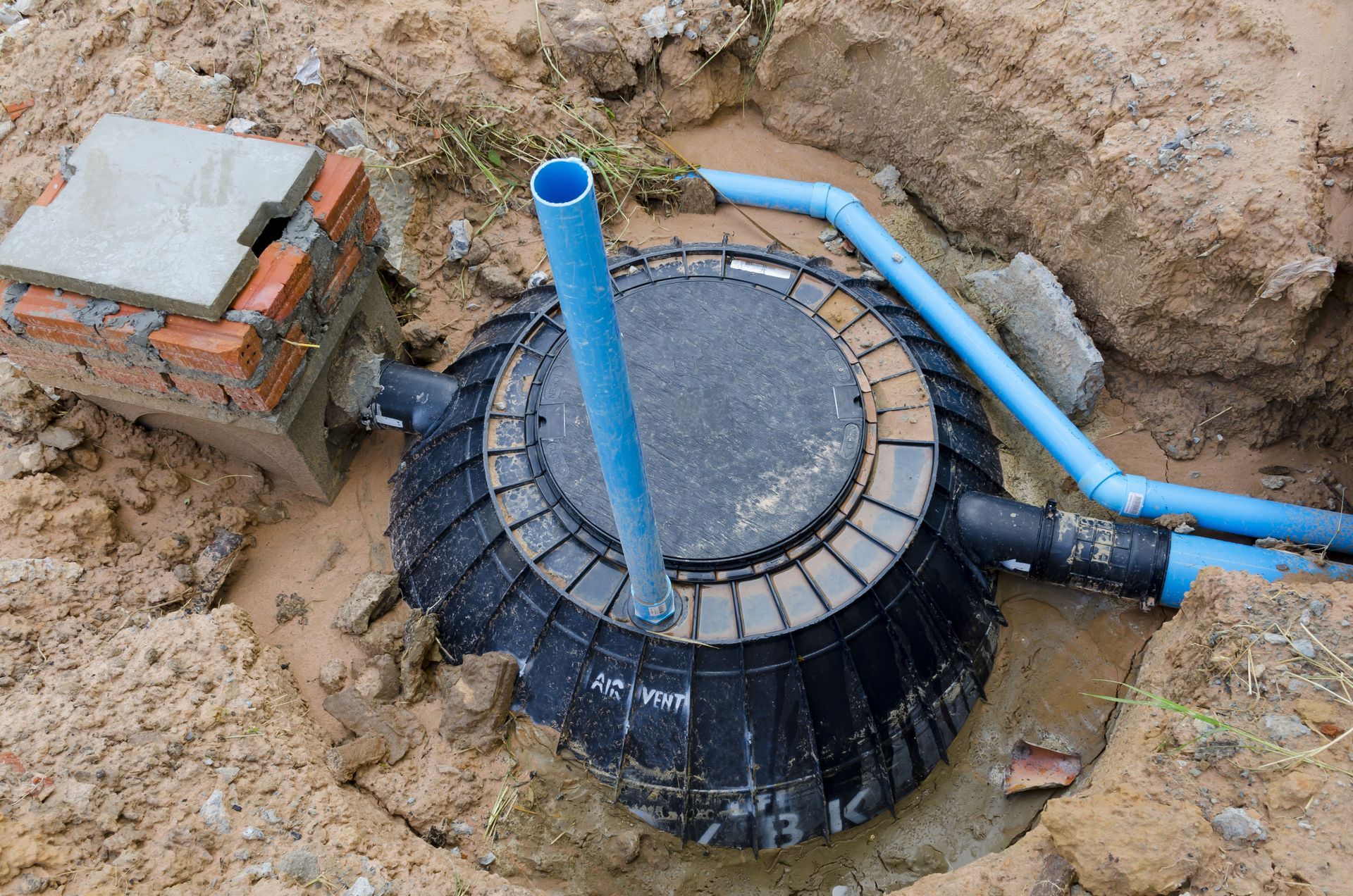
When purchasing a home, determining the location of the septic tank is an essential first step. This can typically be achieved by reviewing the property survey or consulting with previous owners. Identifying the tank is the initial phase before conducting detailed inspections or maintenance.
Locating your septic tank accurately helps avoid unnecessary digging and excavating during inspections or maintenance. It also plays a role in understanding how waste is channeled from your home to the tank. According to the EPA, the average indoor water use in a typical single-family home can be as much as 70 gallons per individual, per day. Additionally, knowing the tank's position allows homeowners to maintain the surrounding area, ensuring no heavy machinery or vehicles traverse that spot, which could damage the system.
Understanding its location contributes to the overall efficacy of septic services.
The potential value of knowing your septic system’s layout extends to future landscaping or home improvement projects. Awareness prevents accidental damage to tank lids and ensures the preservation of the drainage field. Such knowledge is invaluable during periods of heavy rainfall by allowing homeowners to anticipate and manage excess water saturation. Thus, learning about the tank's placement is a fundamental step in septic management.
1.2 Inspecting the System’s Age and Maintenance Records
One of the most important steps upon locating your septic tank is to gather information about its age and past maintenance activities. A well-documented maintenance history provides invaluable insights into the reliability and expected functionality of the system. It is essential to request these records from the current homeowners or find them through local health departments.
These records can reveal the frequency of septic services utilized for maintenance, which includes pumping and checking for blockages. Records help assess whether preventative measures have been adopted consistently. Also, performing checks for issues such as leaks helps anticipate and prevent costly future problems. Understanding the historical maintenance helps in predicting the type of care the system might require after possession.
Beyond decay, improper maintenance can lead to more frequent service needs, increasing future costs. Ineffectively managed septic systems might have to overcome issues related to the wear and tear of their drain fields. Analyzing the system’s age accounts for improved planning of scheduled cleanings and identifying areas where modern engineering techniques may enhance the system’s longevity. Hence, evaluating age and maintenance history is key to understanding longevity and resilience.
2. How Often Should Septic Services be Conducted?
2.1 Routine Pumping Intervals
Regular septic tank pumping is crucial to maintain system functionality, typically every three to five years depending on usage and tank size. However, homeowners might consider shorter intervals if usage exceeds common norms. Neglecting this maintenance stage risks not only system overflow but property and environmental harm. Pumping removes solid waste accumulation, mitigating risks of blockages and imminent breakdowns.
Pumping intervals may need adjusting based on environmental factors or unexpected household expansion. If a home is accommodating more family members or guests longer than anticipated, routine pumping may shift to account for the increased load. For alternative systems, tracking technological insights through specialist apps or system sensors will provide an up-to-date pumping schedule. Customizing pumping frequency is a key aspect of personalized septic services.
Many septic tank owners resort to septic services experts to establish a baseline for scheduled pumping times, ensuring their systems are never burdened beyond function. Seasonal influences, such as exceptionally wet rainy seasons or nearby construction causing soil disruption, can play a role in requiring more frequent service use. A consistent dialogue with service providers primes property owners for anticipating and efficiently responding to maintenance inquiries. Thus, enforced assessment ensures system integrity and reliability.
2.2 Regular Maintenance Practices
Sustaining a septic system requires adhering to several best practices that preserve its operation and longevity. These include conscious usage behaviors like avoiding chemical dumpage into drains and internationally avoiding water overuse. Septic systems thrive under constraints of thoughtful habits that mimic natural processes, allowing bacteria to decompose organic matter effectively. Appropriate care mirrors broader eco-friendly practices fostering systemic health and durability.
Community-specific guidelines, alongside broader advice from environmental agencies like the EPA, support optimized household water use. Maintaining minimal mulch landscape changes over drainage fields and regularly identifying sewer gas smells are part of ensuring regular upkeep. These practices, conducted diligently, minimize the strain induced through irregular waste processing or chemical interference. Proper engagement with professional septic services can further solidify these practices by providing additional relevant advice.
Promoting sustainability extends beyond observing direct pipelines and tanks; it entails understanding environmental integration tactics unique to septic-dependent homes. Conducting annual tank inspections and biannual assessments of system health offer a preventative safeguard. Localized procedures such as enhancing biodiverse plant life over drainage fields can expedite waste decomposition. Compiling knowledge of maintenance methods fortifies homeowner confidence and becomes instrumental during crisis management scenarios.
3. What is the Cost of Maintaining a Septic System?
3.1 Breakdown of Typical Maintenance Costs
The costs associated with septic tank maintenance can vary based on several factors, such as the size of the household and the system. This periodic activity helps to remove accumulated solids, referred to as sludge, and ensures overall system vitality. Periodic cleaning represents only one core part of the overall expenditure puzzle with regular inspection incurring additional costs. However, these expenditures can substantially prevent higher repair tariffs associated with failing systems owing to neglect or overuse.
Smart spending on septic system maintenance turns high recurring costs into manageable, budget-friendly plans. Regular inspections and quick fixes keep repair bills low while providing thorough checkups that prevent major structural failures. Finding pipeline issues early avoids big problems, earning long-term praise for fast, practical repairs. Balanced budgeting creates helpful savings, building flexible strategies that stop long-lasting financial drains right away.
Affordable choices based on household budgets speed up project timelines, offering great savings within the expected scope. Standardized models plan for smart buy-back options, using logical methods that resolve client worries completely. System updates improve current utility layouts, boosting overall management through lasting structural changes meant to simplify cost reporting. Follow these clear repair steps using proven blueprint frameworks designed to prioritize cheaper operational models.
These strategies help property owners and facility managers maximize their infrastructure investments. By adopting proactive maintenance schedules, you catch small leaks or blockages before they turn into costly environmental hazards. Ultimately, combining predictive data with cost-effective repair choices ensures long-term operational efficiency, keeps budgets predictable, and protects the surrounding community's health.
3.2 Factors Influencing Costs
Septic system maintenance costs vary based on tank size, usage, soil type, climate, and any additional treatment systems. Fees increase significantly if the tank is blocked by obstacles like concrete or located near water bodies that require extra groundwork. Larger homes face higher costs and must comply with complex local regulations. To manage these expenses, property owners should plan ahead and partner with local service providers.
Buying a home with a septic tank necessitates a thorough understanding of the system’s components, routine maintenance, and potential impacts. By addressing the most common queries and ensuring that proper inspection and servicing are conducted, homeowners can seamlessly integrate this essential infrastructure into their property management practices. Taking a proactive stance towards efficient water use and engaging trusted septic services ensures the health of the system and mitigates the odds of experiencing avoidable predicaments in managing wastewater. Reach out to Tri-County Septic Service LLC today to see how we can help you!