May 20, 2026
For many homeowners in rural or suburban areas across the U.S., the convenience of a municipal sewer line is not available. Instead, these properties rely on an intricate, on-site wastewater treatment system buried beneath the lawn. While it remains out of sight, the septic system is one of the most critical components of a functional home. Understanding how to manage this infrastructure is not just a matter of household maintenance; it is a vital responsibility for protecting public health and the local ecosystem.
Professional septic services serve as the primary defense against system failure, property damage, and environmental contamination. By committing to a proactive management strategy, you ensure your home remains a safe sanctuary while helping keep local groundwater clean.
Understanding System Mechanics
The journey of wastewater begins the moment it leaves your drains. Whether it is from the kitchen sink, the laundry machine, or the bathroom, all liquid waste flows into a watertight container typically made of concrete, fiberglass, or polyethylene. This tank is designed to act as a settling chamber. As the mixture enters, the flow velocity slows down significantly, allowing the contents to separate into three distinct layers.
Heavy solids sink to the bottom, forming a layer of sludge. Lighter materials, such as oils, grease, and fats, float to the top to create a layer of scum. In the middle remains a relatively clear liquid known as effluent. Anaerobic bacteria naturally present in the tank work tirelessly to break down the organic solids in the sludge layer. This biological process is delicate and essential for the system's longevity.
Processing Effluent in the Drain Field
Once the separation process is complete inside the tank, the liquid effluent is pushed out into the drain field (also known as a leach field). This area consists of a series of perforated pipes buried in gravel-filled trenches or specialized chambers. As the effluent trickles out of the pipes, it slowly percolates through the soil.
The soil acts as a natural biological filter. As the liquid moves downward, microbes in the soil remove harmful bacteria, viruses, and excessive nutrients before the water eventually reaches the groundwater table. This natural purification process is highly effective, provided the soil is not oversaturated, and the system is not overwhelmed by excessive volume.
Managing Water Consumption
One of the most common causes of system failure is hydraulic overloading. This occurs when more water enters the tank than it can effectively process, causing solids to be pushed out into the drain field before they have a chance to settle. When these solids enter the drain field, they can clog the soil pores, leading to backups and surface ponding.
Homeowners must be mindful of their daily water footprint. According to the EPA, the typical single-family residence sees an average indoor water consumption of nearly 70 gallons for every person, every day. When multiplied by a family of four or five, this represents a staggering amount of liquid that the septic system must treat and disperse within a 24-hour window.
Conserving Resources for Longevity
Reducing the load on your system involves simple but effective lifestyle adjustments. High-efficiency toilets, low-flow showerheads, and aerated faucets can significantly decrease the daily gallon count. Furthermore, spreading out laundry loads over the week—rather than performing marathon wash days—gives the tank ample time to settle and prevents the drain field from becoming saturated. By respecting the capacity of your system, you reduce the frequency of required septic services and extend the lifespan of the entire infrastructure.
Implementing Regular Maintenance
Regular professional oversight is the only way to accurately gauge the health of your system. Most experts recommend a comprehensive inspection at least once every three years. During these visits, technicians check for leaks, evaluate the integrity of the baffles, and measure the thickness of the sludge and scum layers. These check-ups can identify minor issues, such as a cracked lid or a failing riser, before they evolve into expensive, full-scale failures.
Pumping the Tank Effectively
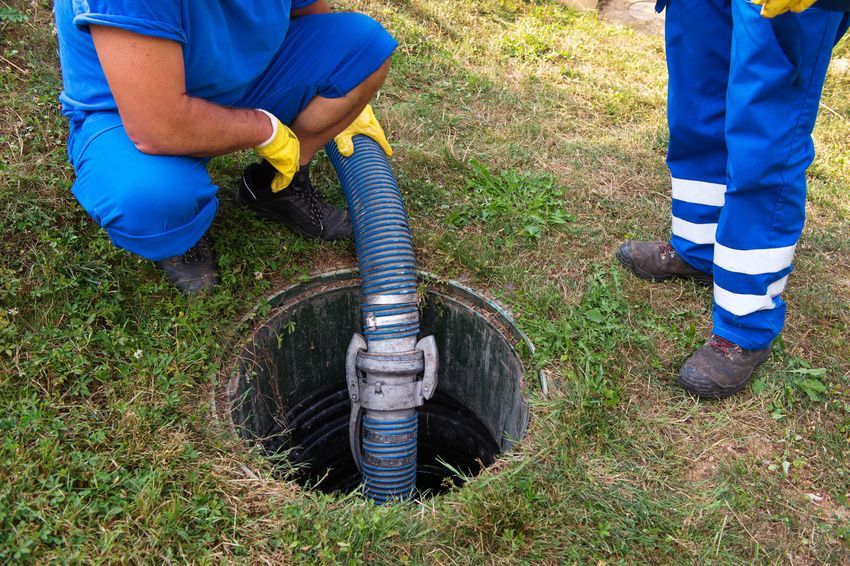
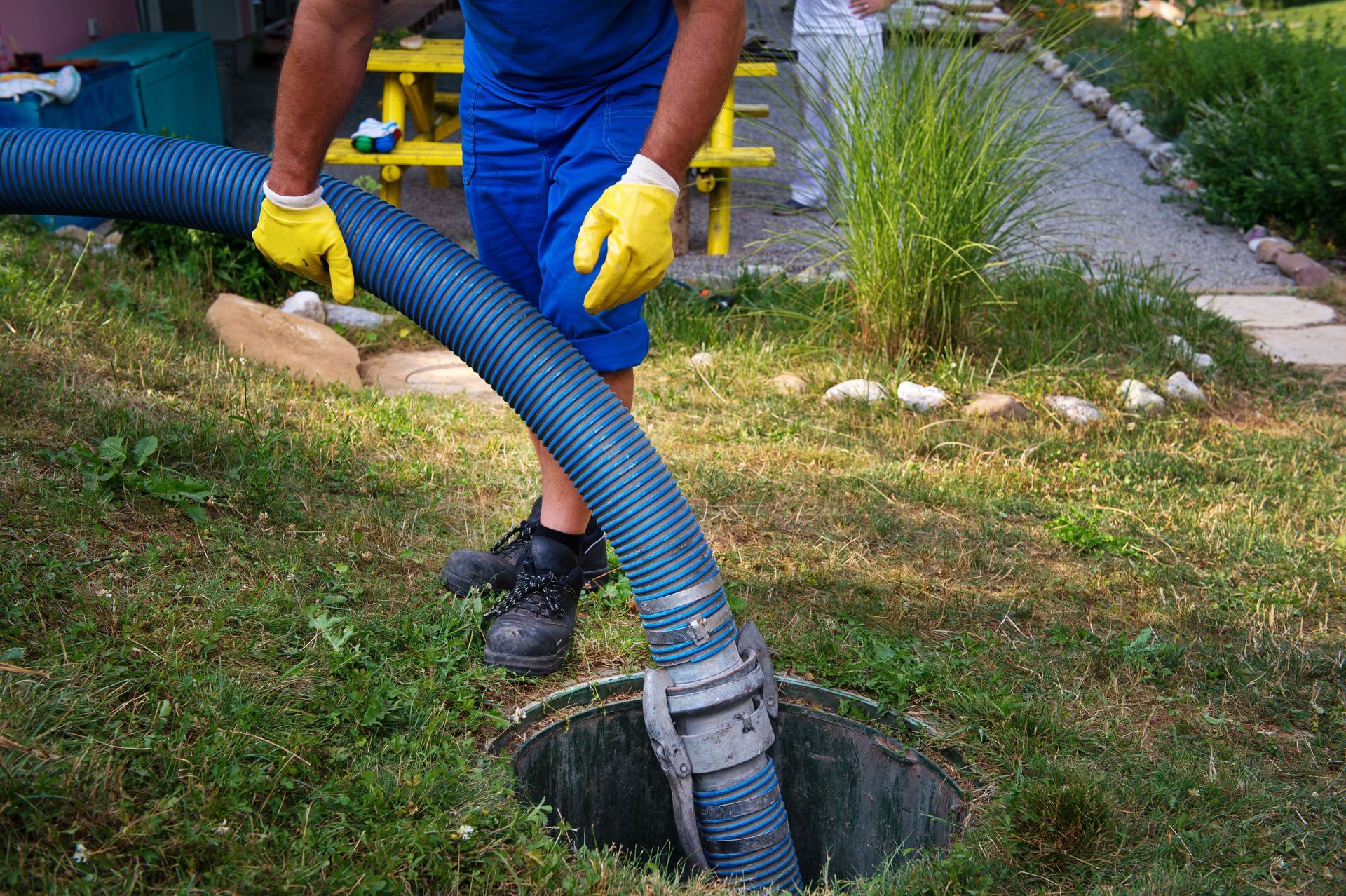
While bacteria break down much of the organic matter, the inorganic solids and indigestible sludge will eventually accumulate to a point where they must be removed. Pumping is the process of vacuuming out these residuals to restore the tank's settling capacity. Neglecting this task is the most frequent reason for catastrophic drain field failure.
Identifying Common Warning Signs
The first signs of trouble often manifest inside the home. If multiple drains are sluggish or if you hear gurgling sounds in the pipes, it may indicate that the tank is full or that a blockage has formed in the main line. Persistent sewage odors around the tank or near the drain field also suggest that gases are not being properly vented or that effluent is surfacing.
Observing Changes in the Landscape
The area above your septic system can tell a vivid story about its performance. If you notice patches of exceptionally lush, bright green grass over the drain field—even during dry weather—it is a sign that the soil is receiving excessive moisture and nutrients from untreated effluent. Standing water or soggy soil in the yard is a critical warning sign that the system is no longer absorbing liquid and requires immediate professional septic services.
Protecting the Biological Balance
A septic system is a living ecosystem fueled by beneficial bacteria. Introducing harsh chemicals can kill the tank, halting the decomposition of solids. Homeowners should avoid pouring drain cleaners, solvents, oil-based paints, or excessive amounts of bleach down the drain. Even septic-safe labeled products should be used in moderation to maintain a healthy bacterial colony.
Avoiding Non-Biodegradable Inputs
The toilet is not a trash can. Flushing items such as baby wipes (even those labeled flushable), feminine hygiene products, cigarette butts, or paper towels can cause immediate clogs and rapid sludge buildup. These items do not break down in the anaerobic environment of the tank and must eventually be removed via pumping. Teaching all household members about proper disposal habits is a foundational part of system care.
Safeguarding the Environment
A failing septic system is more than a household nuisance; it is a source of pollution. Untreated wastewater contains pathogens such as E. coli, as well as high levels of nitrogen and phosphorus. If these contaminants reach the groundwater, they can pollute local wells and nearby bodies of water.
Professional septic services ensure that the treatment process remains effective, keeping your local drinking water safe and protecting the health of the community.
Preserving Local Waterways
When nitrogen and phosphorus from a malfunctioning system enter lakes or streams, they can trigger harmful algal blooms. These blooms deplete oxygen levels in the water, killing fish and disrupting the natural balance of the aquatic ecosystem. By maintaining your system, you are directly contributing to the conservation of the U.S. natural landscape and the protection of local wildlife.
A functional septic system is the backbone of a healthy home. From the initial design and installation to routine maintenance and pumping, every stage of the system's life requires a commitment to quality. Whether you are dealing with a minor clog or need a full system repair, relying on experts who understand the unique soil and environmental conditions of the U.S. is essential.
Tri-County Septic Service LLC is dedicated to helping homeowners navigate the complexities of on-site wastewater management. Our team specializes in comprehensive septic services, including detailed inspections and high-capacity pumping to keep your infrastructure running smoothly. We also provide specialized services like POS inspections and tank locating to ensure you have all the information you need about your property. If you are ready to secure the health of your home and the surrounding environment, contact Tri-County Septic Service LLC today to schedule your professional septic services.