June 1, 2026
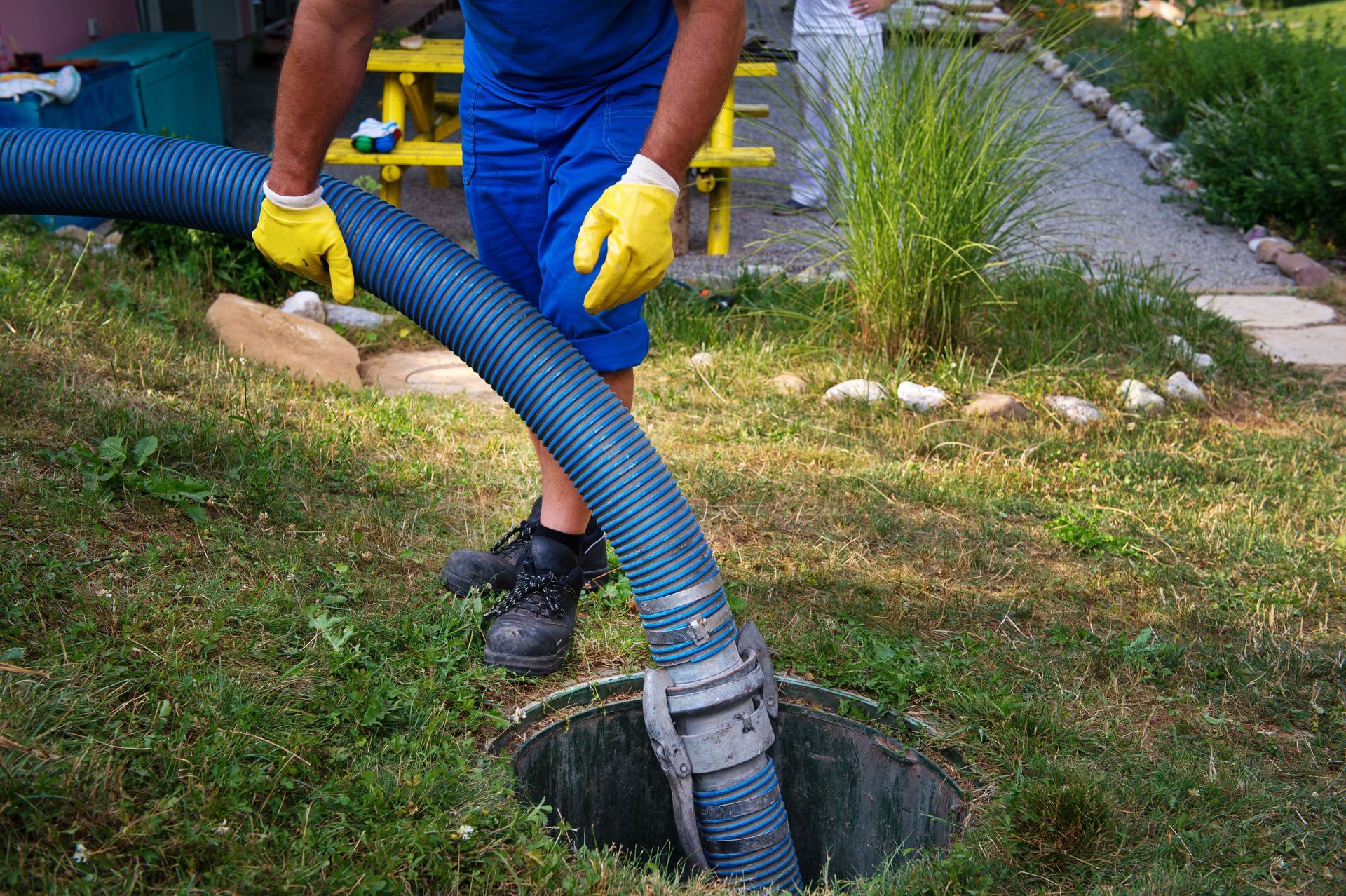
Proper septic tank maintenance starts with understanding what should never be flushed down the drain. Septic systems are designed to handle human waste and toilet paper only. Flushing the wrong items can cause clogs, damage the system, kill beneficial bacteria, and lead to expensive repairs. In many cases, homeowners only contact a septic repair company after serious problems develop, but preventative care can help avoid these costly situations.
According to HomeGuide, septic systems can last 20 to 40 years. However, this depends on proper maintenance and usage. Many common household products create major problems for septic systems because they do not break down properly. Non-biodegradable materials often accumulate inside pipes and tanks, disrupting normal waste flow and bacterial activity. Avoiding these items helps homeowners protect both their septic systems and the environment while reducing the need for emergency visits from a septic repair company.
1. Non-Biodegradable Items
1.1 Plastic Materials
Plastic products such as wrappers, bags, and packaging should never be flushed. Plastics do not decompose and can easily clog pipes or build up inside the septic tank. Over time, these obstructions place stress on the system and may lead to backups or failure. Proper disposal in household trash is the safest option and can help homeowners avoid expensive repairs from a septic repair company.
1.2 Sanitary Products
Tampons, sanitary pads, and similar hygiene products are designed to absorb moisture, making them especially dangerous for septic systems. These items expand, resist decomposition, and can block pipes or interfere with the bacteria responsible for breaking down waste. Always dispose of sanitary products in a trash receptacle rather than flushing them.
1.3 Diapers and Baby Wipes
Diapers and baby wipes are among the most common causes of septic clogs. Even wipes labeled “flushable” often fail to break down properly. These products expand when wet and can create severe blockages in both plumbing and septic tanks. Throwing wipes and diapers in the trash is the best way to avoid costly repairs and system damage.
1.4 Cotton Swabs and Cotton Balls
Cotton products may seem harmless, but many contain synthetic fibers or plastic components that do not degrade quickly. Cotton swabs and balls can collect in pipes, restrict water flow, and contribute to backups. Disposing of them in the trash helps maintain smooth septic operation.
1.5 Dental Floss
Dental floss is typically made from non-biodegradable materials such as nylon. Once flushed, it can wrap around debris and create tangled clogs inside plumbing and septic systems. A simple habit of throwing floss into the trash can prevent unnecessary strain on the system.
2. Food Waste
2.1 Grease and Oils
Grease, cooking oils, and fats should never be poured down drains. As they cool, they harden and stick to pipes, eventually causing serious blockages. These substances can also disrupt the natural bacterial balance inside the septic tank. Allow grease to cool and dispose of it in the trash or through proper recycling programs.
2.2 Coffee Grounds
Coffee grounds may appear harmless, but they tend to clump together and settle inside plumbing and septic tanks. Their slow decomposition can contribute to buildup and reduced system efficiency. Composting coffee grounds or placing them in the trash is a safer alternative.
2.3 Eggshells
Eggshells break down slowly and can take up valuable space inside the septic tank. Their rough texture may also contribute to pipe clogs. Composting eggshells instead of flushing them supports both septic health and environmentally friendly waste disposal.
2.4 Pasta and Rice
Pasta and rice absorb water and expand significantly, making them problematic for plumbing systems. Once flushed, they can create thick masses that obstruct water flow and strain septic operations. Food scraps like these should always be disposed of in the trash or compost.
2.5 Fruit and Vegetable Peelings
Although biodegradable, fruit and vegetable peelings do not always break down quickly enough inside septic systems. Over time, they can contribute to buildup and imbalance in the tank. Composting peelings is a much better option that also benefits the environment.
3. Chemical Products
3.1 Household Cleaners
Many household cleaners contain chemicals such as bleach and ammonia that can kill the beneficial bacteria inside a septic tank. Without these bacteria, waste cannot break down properly, leading to backups and system inefficiency. Using septic-safe cleaning products and limiting harsh chemicals helps preserve the system’s natural balance and reduces the likelihood of needing a septic repair company.
3.2 Paint and Paint Thinner
Paints and paint thinners contain toxic substances that should never enter a septic system. These chemicals can destroy essential bacteria and contaminate nearby soil and groundwater. Always dispose of paint products through approved hazardous waste programs.
3.3 Pesticides and Herbicides
Pesticides and herbicides can seriously disrupt the natural processes inside a septic tank. These chemicals are designed to kill living organisms, which means they can also eliminate the beneficial bacteria responsible for breaking down waste. When these bacteria are damaged, septic systems become less efficient and may eventually fail. Proper storage and disposal of lawn and garden chemicals can prevent contamination and help maintain healthy septic performance.
4. Why Proper Septic Maintenance Matters
Proper septic care goes beyond avoiding clogs. A neglected system can create unpleasant odors, slow drains, sewage backups, and even groundwater contamination. Repairs or replacements can cost thousands of dollars, making preventative care far more affordable in the long run. Regular maintenance and inspections from a trusted septic repair company can help identify issues before they become severe
.
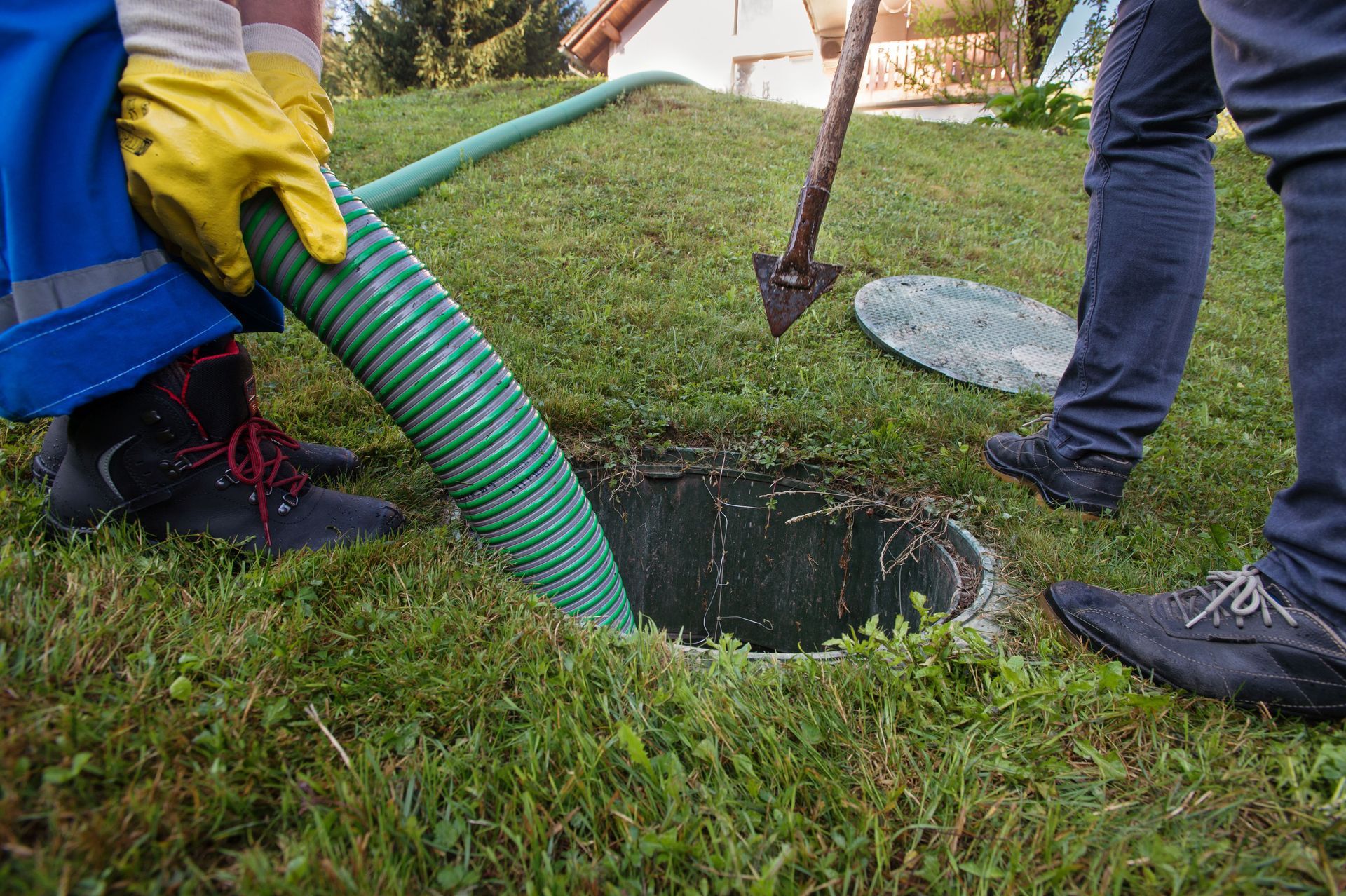
Routine septic inspections and pumping are equally important for maintaining system health. Most septic tanks should be inspected every few years and pumped regularly depending on household size and usage. Ignoring maintenance can allow sludge levels to rise too high, increasing the risk of backups and drain field damage. Working with a professional septic repair company helps homeowners identify small problems before they become major expenses.
Another important factor in septic maintenance is educating everyone in the household about proper disposal habits. Children and guests may unknowingly flush harmful items, creating unnecessary strain on the system. Posting simple reminders in bathrooms or discussing septic-safe practices can help prevent accidental misuse. Consistency among all household members is one of the most effective ways to keep a septic system functioning properly.
Homeowners should also pay attention to warning signs that may indicate septic trouble. Slow-draining sinks, gurgling pipes, standing water near the drain field, or unpleasant odors around the property can all signal developing issues. Addressing these problems early with the help of a qualified septic repair company can prevent more serious damage and reduce repair costs.
Landscaping choices can also affect septic system performance. Trees and large shrubs planted too close to septic tanks or drain fields may send roots into pipes, causing cracks and blockages. Keeping heavy vehicles and equipment away from the drain field is equally important, as compacted soil can reduce the system’s ability to process wastewater effectively. If damage occurs, a reliable septic repair company can inspect the system and recommend the appropriate repairs.
Water conservation also contributes to a healthy septic system. Excessive water use can overload the tank and prevent waste from separating properly. Spreading out laundry loads, repairing leaks, and using water-efficient fixtures can help the system operate more effectively. Managing water use alongside proper waste disposal creates the best conditions for long-term septic performance.
Maintaining a healthy septic system comes down to responsible habits and proper waste disposal. Flushing only approved materials and keeping harmful items out of drains can prevent clogs, protect beneficial bacteria, and extend the life of the system. By following best practices and partnering with an experienced septic repair company when needed, homeowners can avoid expensive repairs and keep their systems running efficiently for years.