October 18, 2026
In this comprehensive guide, we will explore the factors that determine how often you should schedule a septic service to maintain an efficient and healthy system. Understanding the specifics of your septic system can save homeowners from costly repairs and environmental damage.
Septic System Basics
Common Septic System Problems
Septic systems can face various issues, ranging from minor inconveniences to major failures. One of the most common problems is clogging, which occurs when non-biodegradable solids block system components. This blockage can lead to backups, causing health hazards and costly repairs. Overuse of water can saturate the drain field, reducing its ability to handle effluent effectively. Additionally, tree root intrusion can breach system components, creating blockages and potential leaks.
Failures in the drain field are another common issue, often indicated by wet patches or lush plant growth over the field area. This occurs when the field becomes overloaded or improperly treated, causing it to lose its natural filtering capabilities. Addressing these issues early with professional help can prevent widespread system failure. Regular inspections and maintenance help in identifying these problems early on. It's essential to not bypass this regular upkeep, which can save homeowners from extensive replacements and environmental damage.
The neglect of timely pumping can also lead to excess solids exiting the tank and clogging the drain field pipes, resulting in untreated wastewater releasing into the environment. This can cause not only system failure but also significant environmental pollution, negatively impacting local water sources. By maintaining proper pumping schedules, this issue can be effectively avoided. Education on what constitutes proper disposal practices and system maintenance can greatly help reduce these risks. Households need to work closely with septic professionals to ensure the system's longevity and functionality.
Signs Your Septic System Needs Maintenance
Homeowners should be vigilant for signs that their septic system may require maintenance. Indications like slow drains, gurgling sounds in plumbing, or unpleasant odors in the yard or near drains might suggest a need for immediate attention. Unexpectedly lush patches of grass over the septic tank or drain field can also be an indicator of potential problems. Such symptoms suggest that wastewater may not be adequately treated before it's released into the surrounding environment. Immediate inspection by a professional can prevent more serious and costly damage.
Backup of sewage in areas like sinks, toilets, or bathtubs indicates serious blockages that require professional intervention. It's crucial to not attempt DIY solutions for such problems, as they can worsen the situation. Regular inspections help catch issues before they escalate, maintaining system integrity and performance. According to the EPA, the average household septic system should be inspected at least every three years by a septic service professional. This schedule helps detect early signs of wear or failure, ensuring the system continues to function effectively.
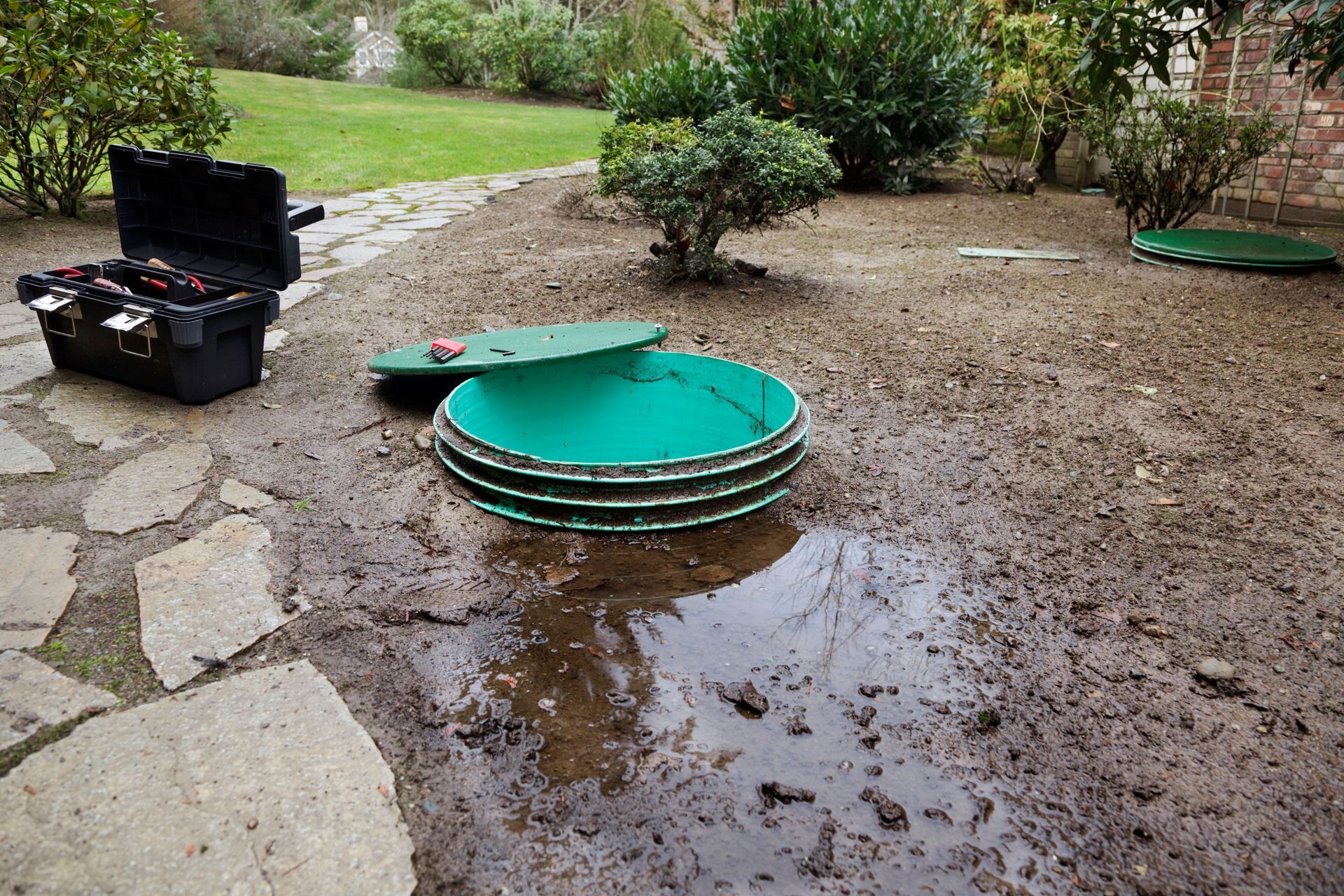
Furthermore, standing water or muddy soil around your system's drain field or near the tank itself can be a sign of system overload or malfunction. Such expressions point directly to a failing drain field or clogged pipes. Relying on professional services for regular checks can catch these issues in the nascent stage. By implementing routine checks, homeowners not only protect their property but also their investment in the septic system. A proactive approach towards maintenance is always more beneficial than reactive measures.
The Importance of Regular Septic Service
Regular septic service is vital for maintaining the system's efficiency and longevity. Consistent check-ups help identify and rectify minor issues before they transform into significant problems. Maintenance involves not just pumping the tank but also inspecting all components for wear or potential failing signs. Since septic systems run smoothly when maintained, they prevent the costly inconvenience of full system replacements. This proactive approach also safeguards environmental health by preventing untreated effluents from contaminating local water sources.
Many homeowners often underestimate the financial and environmental consequences of neglecting septic service. A poorly maintained septic system is prone to frequent backups and inefficient waste management, leading to property damage and health hazards. Professional services help maintain this crucial infrastructure, minimizing costly breakdowns and legal liabilities. Regular service is integral in prolonging the system's life, reducing risks associated with untreated wastewater. Routine upkeep not only saves money but also enhances peace of mind knowing the system operates optimally.
Septic system health directly impacts local environments, as untreated effluents can seep into groundwater, contaminating vital water supplies. Thus, ensuring regular septic service benefits both homeowners and the surrounding community. Through regular inspections and maintenance, potential environmental impacts can be mitigated effectively. Moreover, homeowners gain the assurance that their system adheres to local regulations and standards. Being a conscientious system owner involves understanding one's role in maintaining both household efficiency and environmental stewardship.
Factors Influencing Septic Service Frequency
Household Size and Water Usage
Household size significantly affects septic service frequency, as larger households typically generate more wastewater. A higher volume of water usage can expedite the need for more frequent servicing to accommodate increased waste levels. Households should monitor their usage patterns and consider reducing water consumption to ease the system's workload. Implementing water-saving measures like low-flow faucets can significantly reduce the strain on septic systems. The less wastewater produced, the longer the time between necessary services.
Septic systems perform optimally when they're not overburdened with excessive water or waste. High usage levels can lead to accelerated sludge buildup and increase the potential for system failure. By moderating their water usage, household members can contribute significantly to the longevity of their septic system. Encouraging practices such as limiting shower times or fixing leaks promptly helps maintain system health. A conscious effort in daily water usage can extend the time needed between septic services, saving on long-term costs and potential failures.
Understanding how family activities impact your system is critical; for example, laundry routines or hosting numerous guests may necessitate more frequent service. Although standard recommendations exist, they often require adjustments based on household habits. Aligning usage patterns with service schedules ensures optimum functionality of the septic system. Professionals can provide valuable insights on how these practices affect maintenance needs, offering tailored advice. Homeowners should consult them to design a schedule that aligns with their specific usage patterns for effective septic system management.
Tank Size and Type
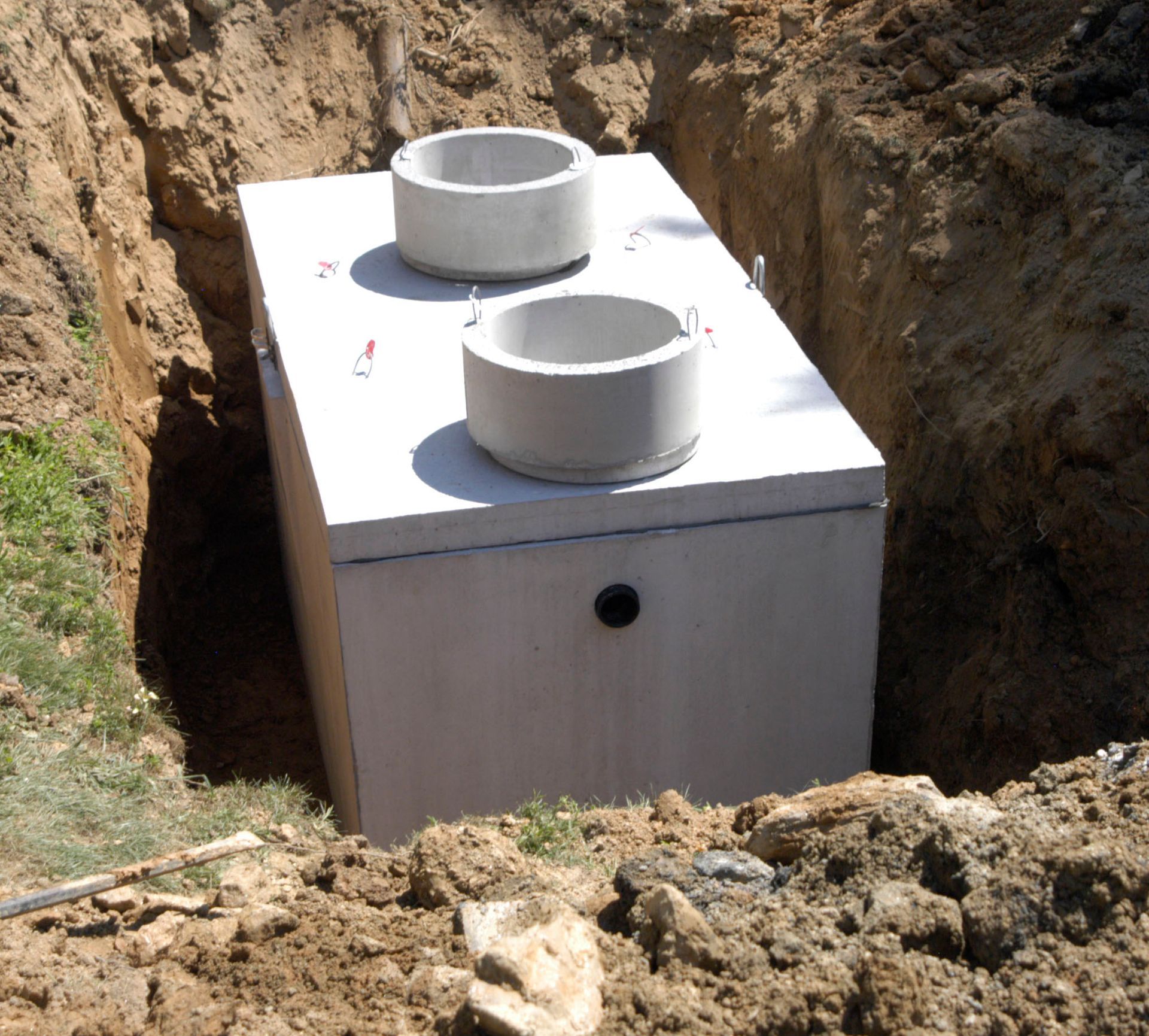
septic tank type and size are crucial factors in determining the frequency of service. Larger tanks can generally accommodate waste for more extended periods, requiring less frequent pumping. However, if a small tank services a large household, it will require more regular attention to prevent overfilling. The tank's material—whether concrete, fiberglass, or plastic—also impacts durability and maintenance needs. Each type has unique benefits and challenges that may influence servicing schedules.
Multiple compartments within a septic tank can enhance treatment by providing additional space for sludge settlement and liquid separation. Such designs often necessitate less frequent pumping as they allow better separation of materials. However, neglecting regular service, even with more compartments, can lead to blockages and reduced efficiency. Understanding the tank's construction helps homeowners and service professionals effectively manage maintenance intervals. Consultation with a professional can give insights into how the design affects maintenance requirements.
Different tank materials offer varied benefits, such as corrosion resistance or lightweight installation, each impacting longevity and service needs. Concrete tanks are durable but may crack over time, while plastic and fiberglass types resist corrosion but may suffer from structural shifting. Homeowners should recognize their tank's material characteristics to anticipate potential upkeep issues. Selection of materials influences not only installation but also ongoing maintenance considerations. An informed choice can lead to fewer complications and lower long-term maintenance costs.
Septic systems are crucial for households that are not connected to a municipally managed sewage network, handling waste directly on-site. Regular
septic service is vital, not only ensuring system functionality but also fostering environmental health. If you need to schedule septic system service, reach out to Tri-County Septic Service LLC today!