September 5, 2026
Residential property values rely heavily on utility systems that operate behind the scenes every single day. A properly maintained septic system ensures efficient waste management, directly protecting land integrity and home equity. Conversely, an aging or failing setup creates severe financial liabilities that lower market perception and reduce buyer offers. Prospective buyers frequently scrutinize underground infrastructure during negotiations, knowing that unexpected replacement expenses can quickly derail a purchase budget. Understanding how these waste systems influence real estate appraisals allows homeowners to safeguard their investments proactively. Systematic upkeep transforms a potential structural liability into a reassuring asset for potential purchasers overall.
Evaluating Overall Impact on Property Appraisal
Appraisers evaluate every physical component when determining home valuation numbers. A fully functional waste disposal structure supports maximum property value by eliminating immediate rehabilitation requirements. When appraisers inspect rural or suburban acreage, verified operational logs show responsible home management. Poorly maintained units lead directly to formal valuation deductions, reflecting estimated repair costs. Appraisers often reduce final property assessments by tens of thousands of dollars if structural defects appear. Maintaining detailed service history documents proves system reliability during appraisal evaluations. Consequently, proactive care directly yields favorable valuations, ensuring sellers retain full market value when listing residential properties for real estate transactions.
Inspecting System Condition With Professional Care
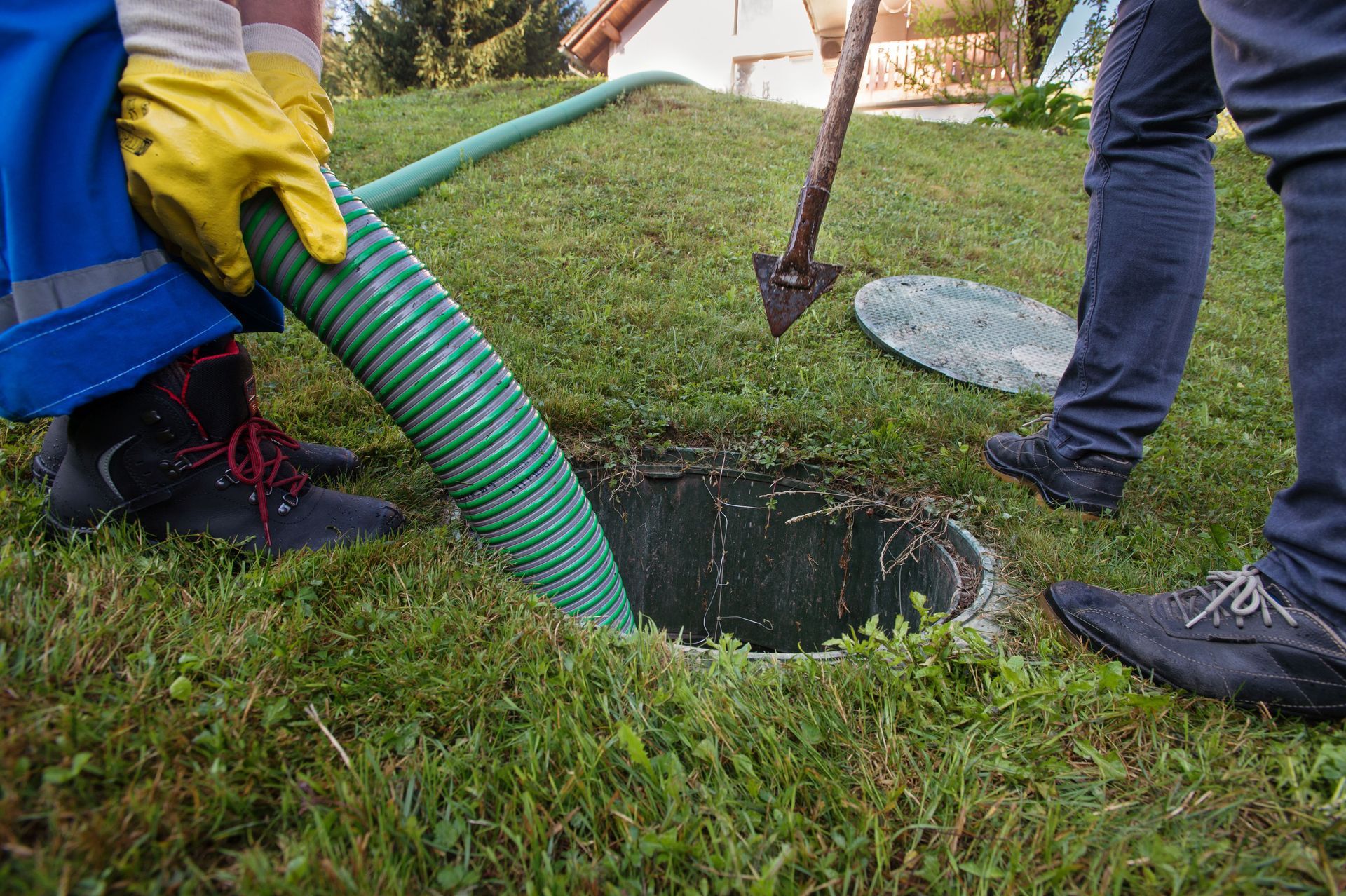
Professional property evaluations reveal crucial details regarding subterranean waste management components before closing deals. Home buyers request thorough engineering assessments to verify structural durability before finalizing purchase contracts. Skipping professional evaluations exposes buyers to severe financial burdens shortly after closing. Certified inspectors examine tank integrity, drain field absorption, and scum accumulation levels to assess total operational health. Consistent maintenance, including routine septic pumping, prevents solid sludge from invading secondary absorption fields. When inspection reports confirm pristine condition, buyer confidence increases significantly. Clean reports lessen negotiating leverage from buyers, allowing sellers to maintain firm asking prices throughout complex real estate negotiations.
Scheduling Routine System Service for Financial Longevity
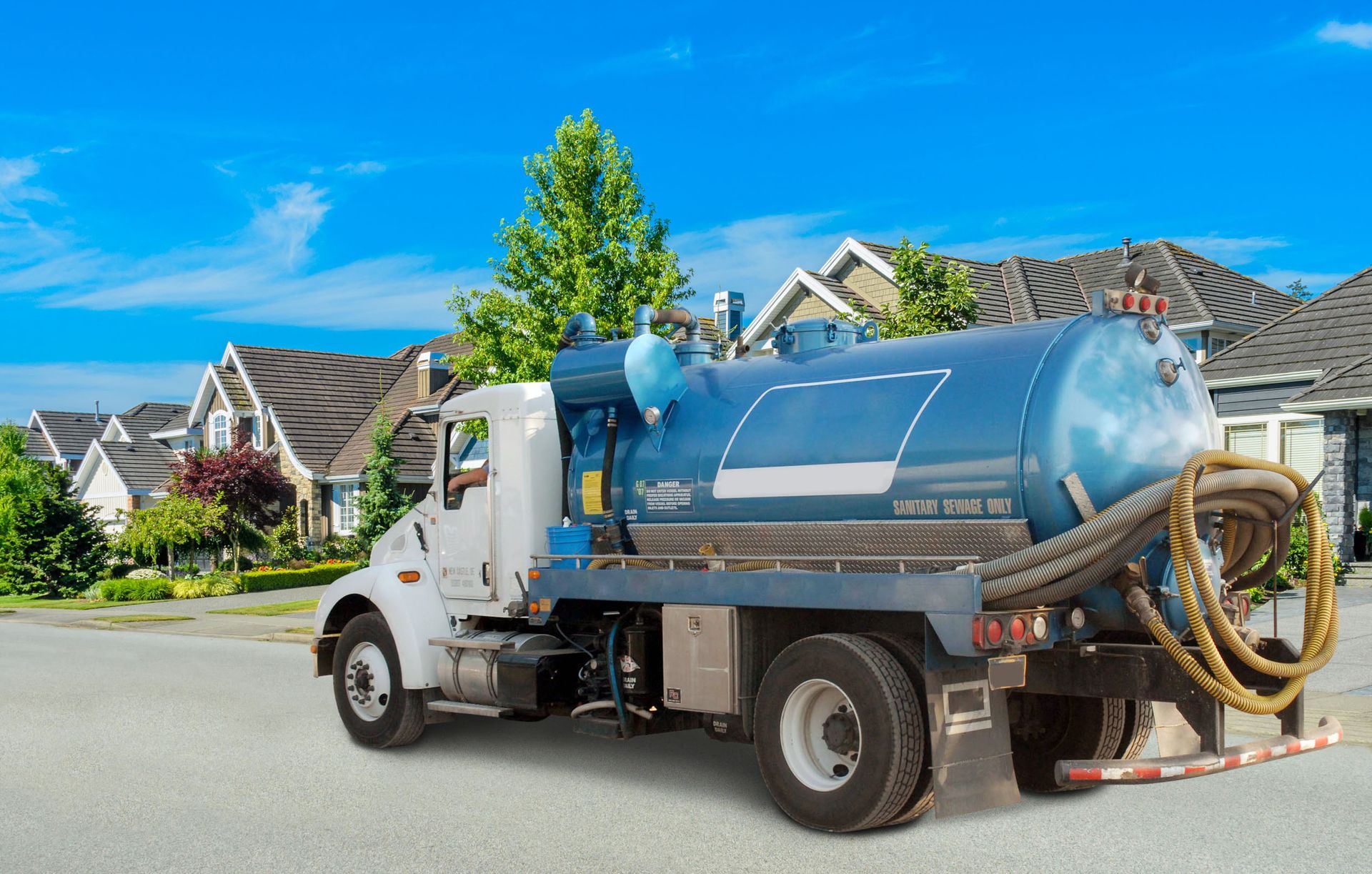
Regular maintenance schedules preserve equipment health while protecting financial equity. Neglecting maintenance causes sludge accumulation, leading to catastrophic backups and costly environmental remediation. Adhering to professional service intervals ensures waste breaks down properly without stressing subterranean pipes. Properties adhering to disciplined maintenance routines experience fewer emergency repairs and command premium market prices. Buyers appreciate homes with documented service logs, as prior maintenance reduces immediate future capital investments. Investing small sums in periodic cleaning secures asset value and mitigates major financial risks down the road.
Understanding Tank Sizes Through Industry Standards
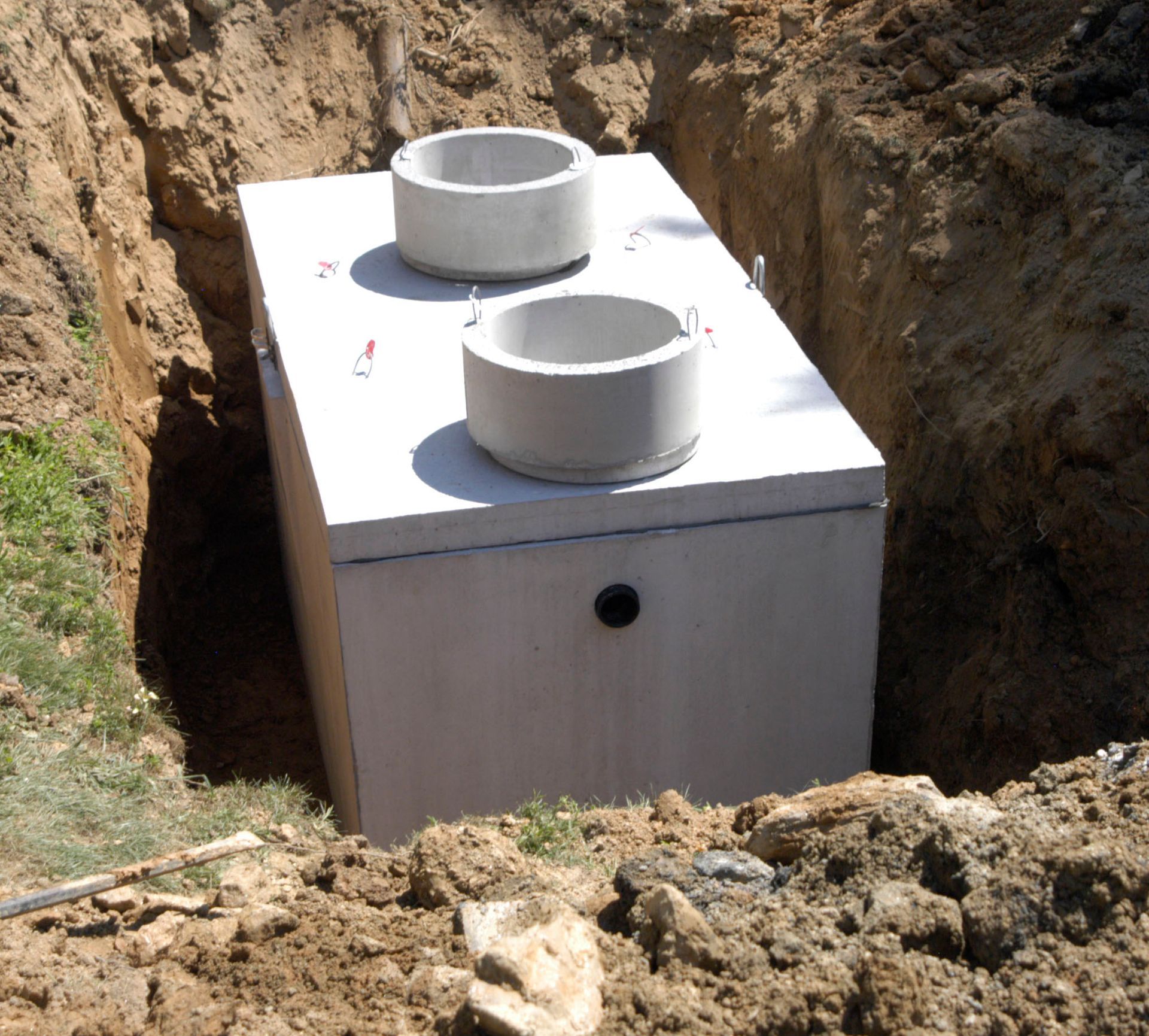
System dimensions dictate operational capacity and directly influence prospective buyers when evaluating home functionality. According to Fortune Business Insights, the septic tank market is segmented into below 1,000 liters, 1,000-5,000, 5,000-10,000, and above 10,000 liters. Matching tank capacity to household occupancy standards prevents operational overloads that lead to premature component failure. Larger residential structures require higher volume capacity to handle daily household demand without creating excess pressure on drain fields. Properties with undersized holding units suffer frequent usage restrictions and diminished market valuation. Selecting proper tank dimensions aligns infrastructure with real estate requirements, maximizing resale appeal for potential property buyers.
Preventing Expensive Failures From Neglected Equipment
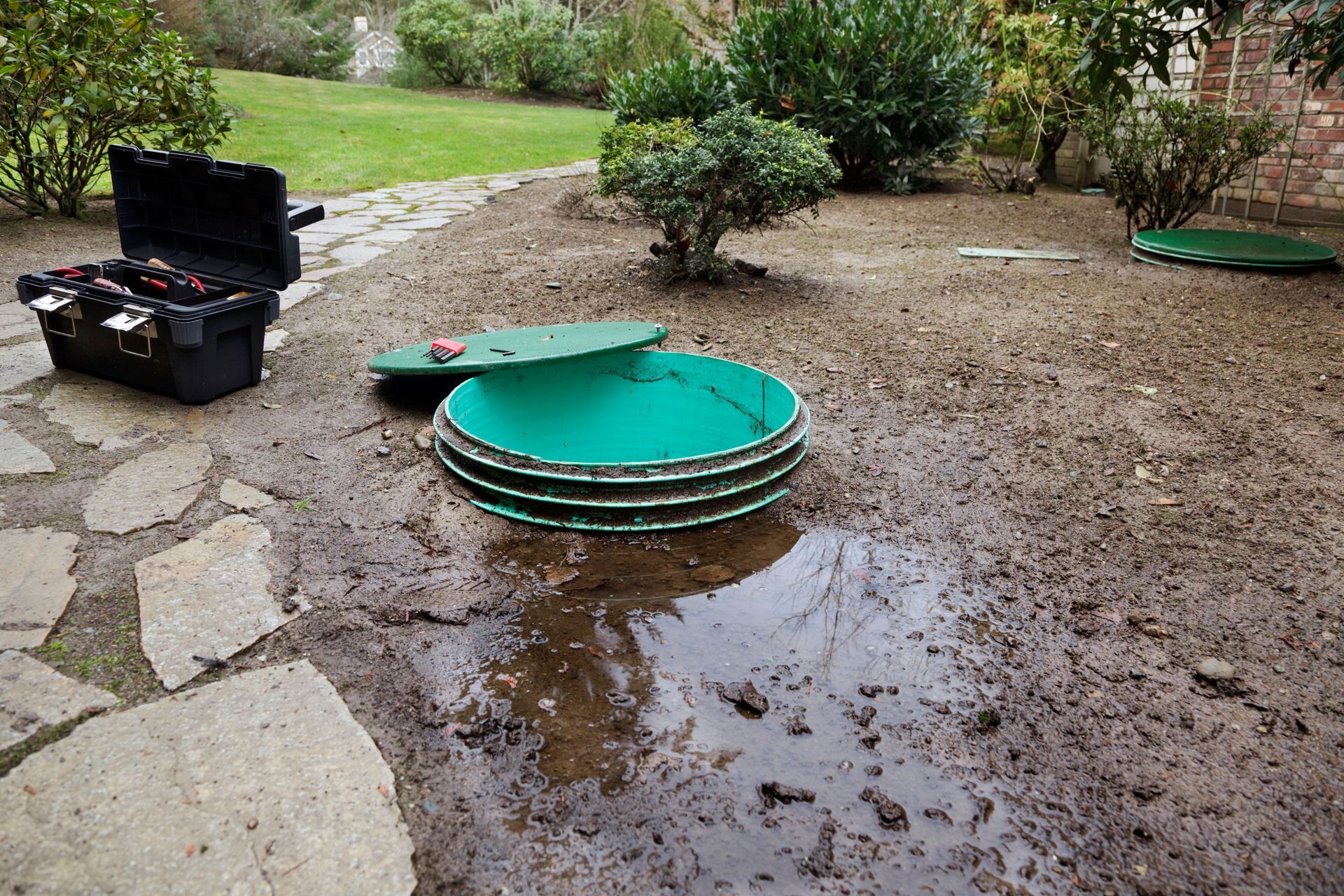
Subterranean waste system failures rank among the most damaging mechanical issues a homeowner can encounter. Unattended systems build up excessive solids, causing toxic wastewater surface pooling, structural pipe collapses, and environmental hazards. Fixing major system failures requires complete excavation, costly permits, and expensive replacement equipment that erodes home equity. Potential buyers back out immediately upon learning about active drainage issues or major structural defects. Diligent maintenance, including timely septic pumping, prevents severe blockages and keeps subterranean components operating smoothly. Avoiding major mechanical failures preserves surrounding landscape value and protects property owners from sudden financial distress during real estate transaction processes.
Highlighting the Advantages of Modern Wastewater Care
Modern wastewater treatment technologies offer significant financial and functional benefits over outdated conventional systems. Modern advanced filtration tanks efficiently separate waste while reducing environmental impacts on surrounding property soils. Real estate prospective buyers actively seek out modernized utility systems, recognizing that updated technology minimizes future maintenance hassles. Installing modern treatment components increases home marketability, placing properties at a clear advantage against competing listings. Advanced configurations handle higher daily load capacities, accommodating growing families and increasing overall residential utility value. Upgrading existing infrastructure creates an immediate marketing asset that real estate agents emphasize during competitive open house property sales presentations overall.
Managing Buyer Expectations in Rural Real Estate
Navigating rural real estate transactions requires clear communication regarding private utility management and maintenance responsibilities. Urban buyers moving to rural communities often lack familiarity with private waste processing and require education during showings. Demonstrating a clean service background reassures hesitant buyers that the property infrastructure is stable and fully operational. Detailed maintenance documentation clarifies system operations, reassuring buyers who fear unexpected maintenance expenditures. When sellers provide comprehensive records, buyers view private waste management as a routine item rather than an intimidating financial liability. Proper education regarding private infrastructure fosters smoother negotiations and speeds up closing timelines significantly for everyone involved.
Budgeting Septic Pumping Costs for Long-Term Equity
Maintaining property equity requires proactive financial planning for ongoing utility upkeep and component servicing over time. Incorporating scheduled waste removal into routine household budgets prevents sudden, overwhelming financial burdens down the line. Routine septic pumping represents a modest ongoing maintenance expense compared to the massive financial toll of complete system replacement. Real estate investors calculate maintenance overhead carefully, recognizing that small preventative outlays protect long-term capital appreciation. Consistent budgeting ensures that waste processing structures remain fully operational, preserving baseline property appraisal values year after year. Homeowners who prioritize modest maintenance expenses preserve equity, ensuring profitable resale outcomes when listing homes.
Mitigating Environmental Risks to Preserve Home Equity
Environmental contamination from leaking subterranean tanks drastically damages property value and creates severe legal liabilities. Leaking effluent pollutes local groundwater, compromises soil safety, and causes health hazards that trigger municipal fines. Remediation processes for contaminated acreage involve extensive soil extraction, environmental testing, and costly municipal oversight. Properties flagged for environmental violations become nearly impossible to sell or finance through traditional mortgage lenders. Routine maintenance and periodic septic pumping eliminate leak risks, protecting surrounding land from toxic biological buildup. Preserving local soil purity maintains property desirability, protecting long-term equity and keeping neighborhood property values stable for surrounding homeowners in the area.
Upgrading System Capacity With Modern Standards
Expanding home square footage or adding bedrooms requires updating subterranean waste processing infrastructure to remain compliant with local building codes. Building codes link allowable bedroom counts directly to waste tank volume and absorption field capacities. Attempting to sell an expanded home with an underpowered waste processing setup creates serious legal complications during property title transfers. Upgrading system capacity to align with home size increases property appraisal metrics and opens market interest to larger family buyers. Strategic upgrades ensure seamless daily waste disposal, preventing plumbing backups during high usage periods. Proper infrastructure investment maximizes functional real estate utility and yields returns.
Securing Home Inspections and Final Appraisal Numbers
Preparing for final home inspections involves documenting all recent maintenance activities, structural repairs, and equipment servicing events. Clean inspection reports eliminate potential buyer contingencies, preventing delays that often disrupt closing schedules in competitive markets. Appraisers review inspection findings to verify that underground utilities meet structural standards without requiring cash escrows for repairs. Homes passing waste system inspections with high marks command full market pricing without suffering costly price concessions. Sellers who provide clear operational records remove uncertainty, encouraging buyers to finalize offers quickly. Thorough preparation transforms underground utility management into a decisive sales advantage, securing peak property valuation during proceedings.
Subterranean waste disposal infrastructure plays a fundamental role in shaping residential property valuations, buyer confidence, and sales negotiation outcomes. Homeowners who prioritize continuous maintenance protect physical land health while building substantial long-term real estate equity. Regular service routines, including scheduled septic pumping, shield property owners from expensive emergency repairs and severe appraisal deductions during sales. Documenting system maintenance demonstrates responsible ownership, giving prospective buyers complete confidence in home utility operations. Ultimately, proactive care elevates waste processing systems from hidden mechanical liabilities into tangible property selling points, maximizing overall return on investment when navigating modern real estate market opportunities moving forward. Are you seeking a professional septic pumping company in Jackson, Lenawee, and Hillsdale Counties, MI, and the surrounding areas? Contact Tri-County Septic Service LLC today for top-notch service!