October 26, 2026
Regular septic maintenance can help property owners identify problems early and keep their systems operating properly. Maintenance may include septic tank pumping, cleaning, inspections, and evaluations of the tank, pipes, and drain field. Understanding when these services may be needed can help homeowners respond to changes in system performance and address potential problems before they become more serious.
The Essentials of Septic Maintenance
Identify Key System Components
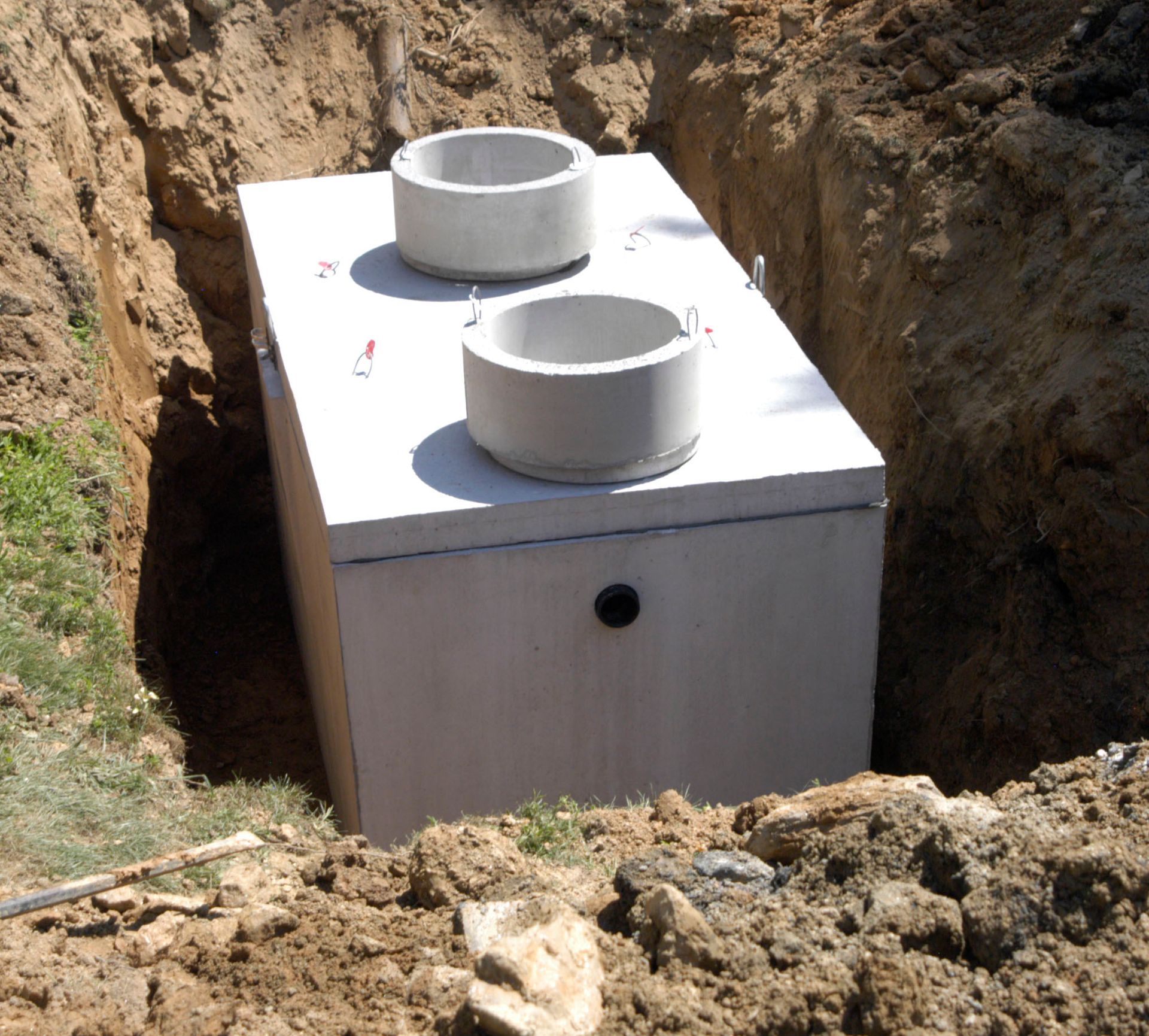
A septic system includes several components that may require inspection and maintenance over time. Septic tank inspections can include checking water levels, inlet and outlet baffles, sludge and scum layers, and the condition of the drain field. Systems may also include pumps and alarms that require testing when present, so understanding which components make up a system can help homeowners recognize when professional maintenance or inspection may be appropriate.
Monitor the Drain Field
The drain field is an important part of a septic system and may require professional inspection when problems develop. Drain field services can include inspection and assessment, restoration and rehabilitation, repair of damaged or clogged drain lines, and replacement of failing components. Homeowners should pay attention to signs such as slow-draining fixtures, foul odors, wet or soggy areas, unusually lush grass, sewage backups, or gurgling sounds in the plumbing, as these may indicate a need for professional assessment.
Address Maintenance Needs
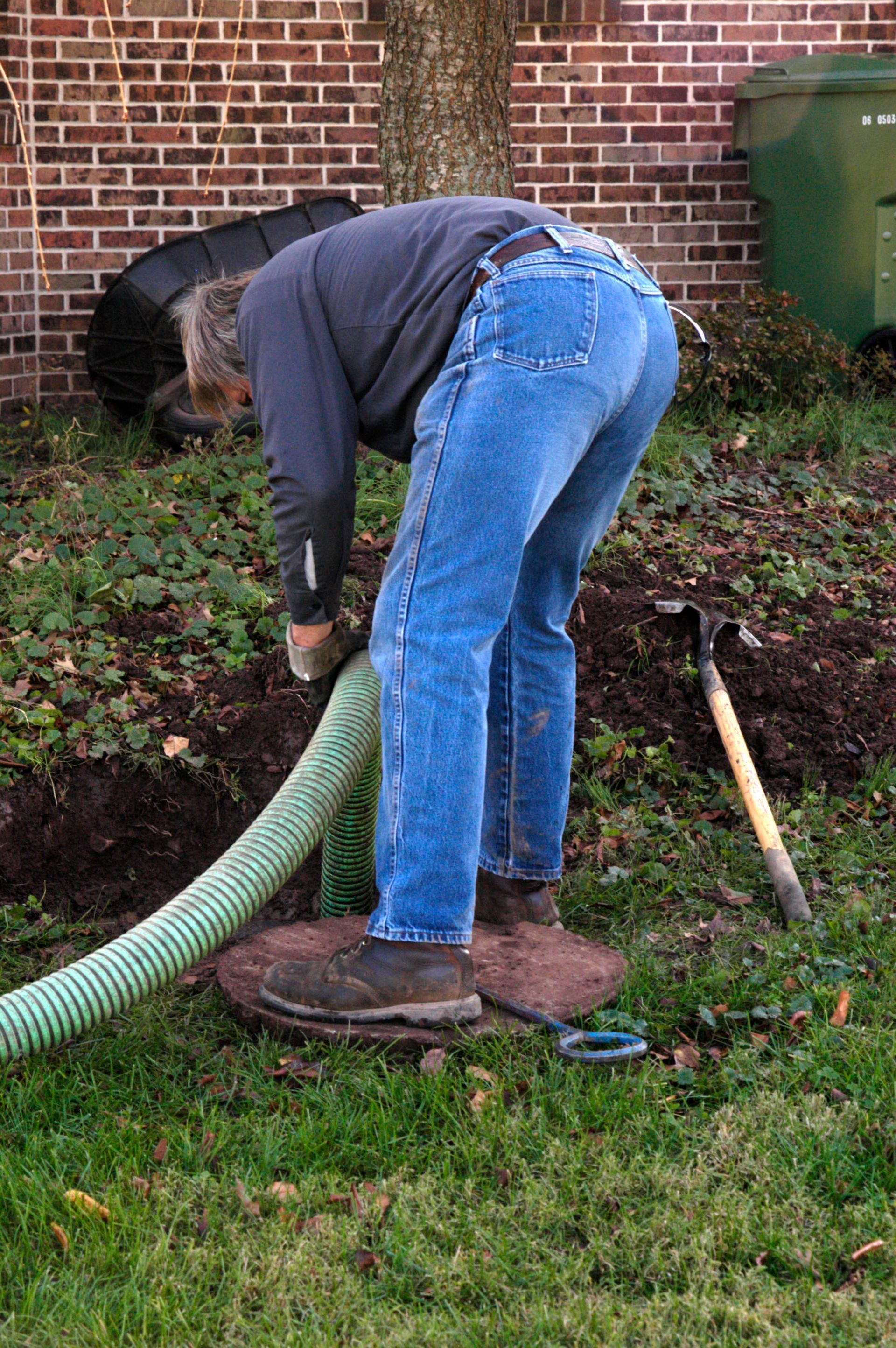
Routine septic care may involve several different services depending on the condition of the system. Septic tank pumping, tank cleaning, inspections, and system evaluations can help property owners stay aware of system condition. When problems affect the system, professional repair services may address the septic tank, drain field, leach field, or septic pump, while ongoing maintenance can help identify when one of these services is appropriate.
The Importance of System Checks
Recognize Warning Signs
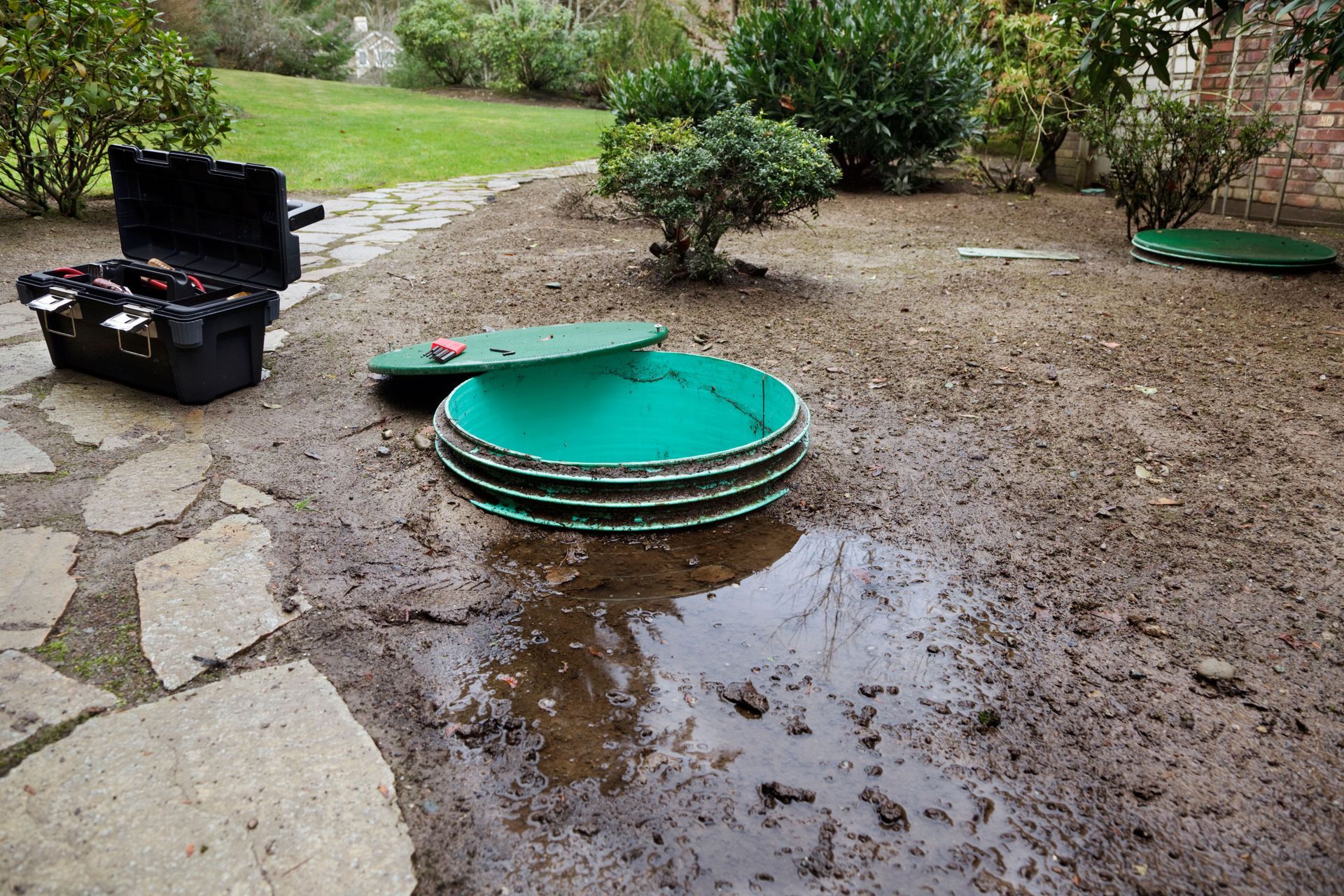
Changes in how a septic system operates can indicate that an inspection or repair may be needed. Signs to watch for include slow-draining sinks, showers, or toilets, foul odors around the drain field, wet or soggy areas in the yard, sewage backups, unusually lush vegetation near the septic area, and gurgling sounds in the plumbing. A professional inspection can help identify potential problems and determine whether maintenance or repair services are appropriate for the system.
Schedule Regular Inspections
Regular septic inspections can help identify potential problems before they become more serious. A septic tank inspection may include checking tank levels, inlet and outlet baffles, sludge and scum layers, the drain field, and pumps and alarms when present. According to HomeGuide, septic tank pumping should be done every three to five years for a typical home.
Watch for System Changes
Homeowners can pay attention to changes around the septic system between professional inspections. Slow drainage, odors, wet areas, sewage backups, unusually lush vegetation, or gurgling sounds may indicate that an inspection is appropriate. Professional evaluations can then assess the tank, pipes, drain field, pumps, alarms, and other applicable components to help determine whether maintenance or repair is needed.
Maintain Septic Pumps
Septic systems that use pumps may require additional maintenance to keep those components operating properly. Septic pump services can include installation, replacement, repair, diagnostics, testing, calibration, electrical component repairs, float adjustments, and pump chamber cleaning. Professional assessment can help determine which service is appropriate when a pump or related component is not functioning as expected.
The Practices of Responsible Septic Care
Avoid Problematic Waste
What enters a septic system can affect how it operates. Homeowners should avoid flushing wipes, grease, harsh chemicals, feminine hygiene products, and other materials that can clog or disrupt the system. Responsible disposal habits can help reduce avoidable problems and support routine septic maintenance while keeping attention on proper system care.
Paying attention to household waste can also help homeowners recognize habits that may place unnecessary strain on a septic system. Items that are not intended to enter the system should be disposed of through appropriate methods rather than flushed or washed down drains. Maintaining these habits can support the ongoing care of the tank, pipes, and other system components.
Limit Harsh Chemicals
Homeowners should be mindful of the materials that enter a septic system. Harsh chemicals can interfere with system operation, so avoiding unnecessary chemical use can help reduce potential disruptions. Responsible household disposal practices can complement regular maintenance and inspections while helping homeowners remain aware of what enters the system.
Reading product labels and following recommended disposal instructions can help homeowners make informed decisions about household materials. When a product should not be poured down a drain or flushed, it should be handled according to its disposal instructions instead. These simple precautions can help homeowners maintain consistent septic care between professional services.
Manage Water Use
Responsible water use is an important part of caring for a septic system. Homeowners can help manage water flow by avoiding unnecessary surges and spreading out activities such as laundry rather than running multiple loads at once. Addressing leaks promptly can also help prevent excess water from entering the system, while these everyday practices can complement routine septic maintenance and inspections.
Homeowners can also pay attention to how much water is being used throughout the day and avoid creating unnecessary spikes in demand. Spreading household activities across different times can help maintain a more consistent flow into the septic system. Combining responsible water use with routine professional maintenance can help homeowners stay attentive to overall system performance.
Protect System Performance
Paying attention to changes in drainage, odors, water levels, and other signs of system performance can help homeowners determine when professional service may be appropriate. Regular septic tank pumping, cleaning, inspections, and maintenance can address routine septic needs. Repair services can also address problems involving the tank, drain field, leach field, or pump when system issues develop.
The Range of Professional Septic Services
Choose Appropriate Service
Different septic problems may require different types of professional attention. Septic tank services include pumping, cleaning, inspection, and repair, while septic system services include installation, maintenance, inspection, evaluation, and repair. Drain field and leach field services can address problems affecting these areas, while septic pump services can address pump installation, replacement, repair, and maintenance needs.
Locate Buried Tanks
Finding a buried septic tank can be an important first step when maintenance or inspection is needed. Electronic septic tank locating services can help identify the location of an existing tank when its position is not readily known. Once the tank is located, appropriate inspection, septic tank pumping, cleaning, or repair services can be considered based on its condition and maintenance needs.
Address Emergency Problems
Some septic problems require prompt attention, particularly when backups, drainage problems, or other system issues interfere with normal property use. Emergency septic services are available when urgent assistance is needed, with emergency service offered Monday through Saturday. Addressing a developing problem promptly can help determine whether septic tank pumping, cleaning, inspection, or repair is appropriate.
Keeping a septic system in good working order involves responsible water and waste practices, regular maintenance, and timely attention to changes in performance. When professional service is needed, learn more about septic tank pumping, inspections, drain field and leach field services, pump work, and electronic tank locating from Tri-County Septic Service LLC. Professional attention can help property owners address maintenance needs and respond to developing septic system problems.