November 21, 2026
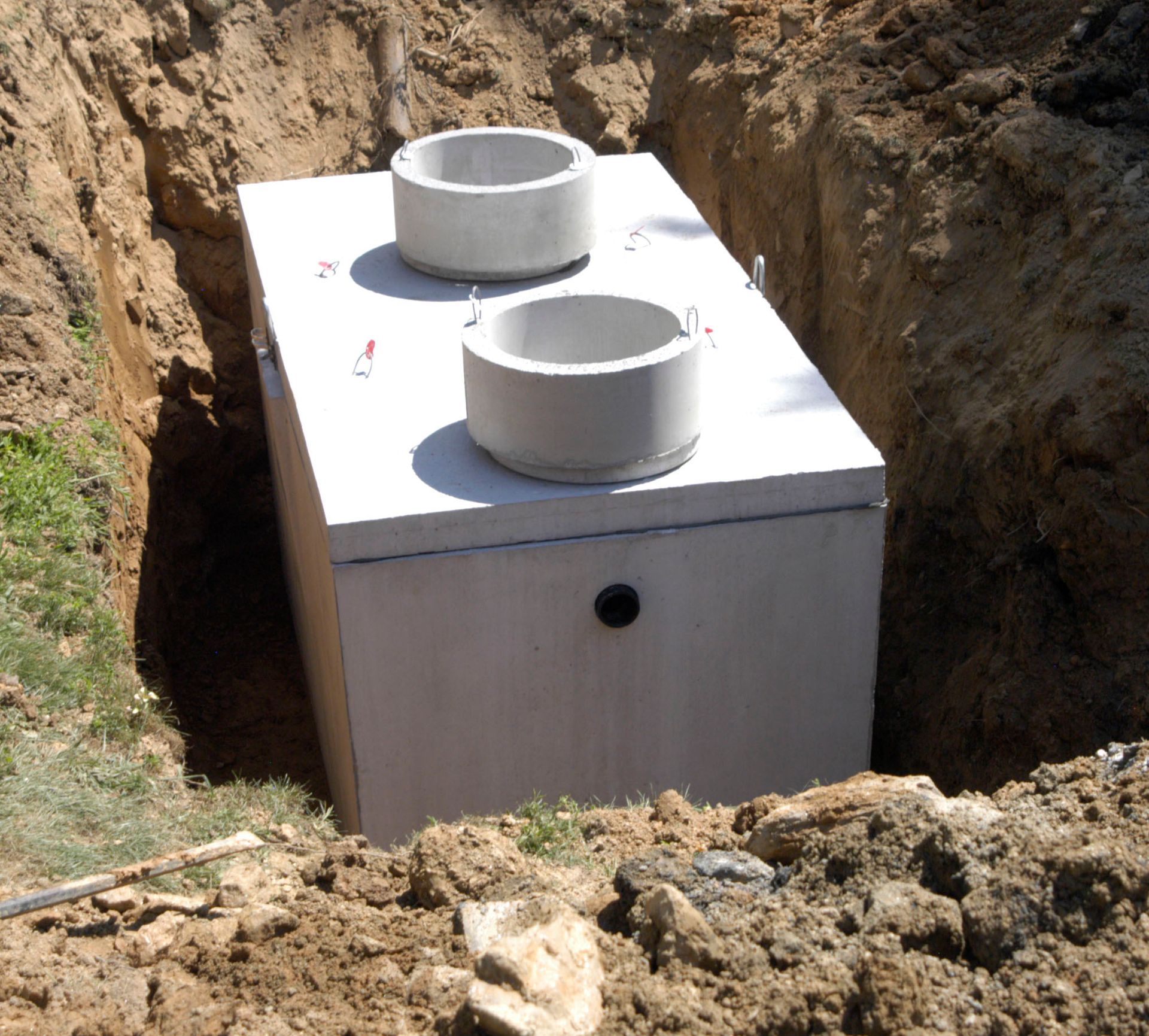
Maintaining a healthy, efficient, and long-lasting underground wastewater management setup represents a fundamental responsibility for property owners living outside municipal sewer networks. Beneath green lawn perimeters lies a delicate biological ecosystem designed to receive, separate, and treat domestic wastewater safely before returning purified liquid to surrounding groundwater tables. Raw household sewage flows directly into a watertight underground vault, where natural bacterial action breaks down solid materials into sludge and scum layers while allowing clarified liquid effluent to pass into a specialized drainfield absorption area. Because this essential infrastructure remains buried out of sight, many residents neglect daily operational habits until severe backups, foul outdoor smells, or costly drainfield failures disrupt their households.
Establishing simple daily habits and adhering to proactive maintenance routines prevents premature system degradation, protects surrounding soil quality, and saves property owners thousands of dollars in emergency repair expenses. Treating your underground wastewater infrastructure with care requires evaluating daily water consumption habits, controlling chemical disposal, protecting outdoor absorption areas, and scheduling routine professional tank pump-outs. By incorporating mindful water management practices into your household routine, you ensure that natural bacterial colonies thrive and that liquid effluent flows smoothly without clogging drainfield soil pores. Exploring the primary daily practices that preserve underground wastewater infrastructure reveals how managing indoor water usage, keeping harmful chemicals out of drains, analyzing national market growth trends, protecting soil absorption fields, scheduling routine professional maintenance, and partnering with experienced regional specialists combine to extend system longevity and preserve property equity.
Managing Indoor Water Usage and Preventing Hydraulic Overload
Managing daily indoor water consumption represents the single most effective daily practice for preventing hydraulic overload inside your underground wastewater vault. Every drop of water that flows down household sink drains, shower stalls, washing machine lines, and toilets enters the primary tank simultaneously. When household members run multiple water-heavy appliances at the same time, sudden surges of liquid force wastewater through the tank too quickly, preventing solid waste particles from settling properly to the bottom.
Excessive water flow washes suspended solid waste particles and grease straight out of the holding tank into delicate drainfield soil pipes. Over time, these escaping solid particles clog soil pores, creating an impenetrable barrier that causes wastewater to pond across your lawn or back up into household fixtures. Staggering laundry loads throughout the week, installing low-flow showerheads, fixing running toilets promptly, and spreading out daily dishwashing cycles prevents hydraulic shock. Consulting knowledgeable providers of local septic services helps homeowners calculate correct tank holding capacities and adjust daily water usage habits to match overall household demands.
Keeping Harmful Chemicals and Non-Biodegradable Items Out of Drains
Keeping destructive household chemicals, synthetic materials, and non-biodegradable items out of plumbing drains protects the living bacterial colonies that drive subterranean waste treatment. The primary holding tank relies on naturally occurring anaerobic bacteria to break down organic human waste, paper fibers, and food particles. Pouring harsh chemical cleaners, bleach, paint thinners, motor oil, or heavy antibacterial soaps down household sinks destroys these beneficial bacterial cultures, halting natural waste decomposition.
Furthermore, flushing non-biodegradable products—such as flushable wipes, feminine hygiene products, paper towels, dental floss, cigarette butts, and coffee grounds—creates severe mechanical blockages. These synthetic materials do not break down naturally, rapidly filling holding vaults and choking inlet baffles. Avoiding garbage disposal usage for heavy food scraps also prevents excessive solid waste accumulation. Scheduling a comprehensive inspection through certified local septic services identifies chemical damage early, ensuring that your system maintains a healthy biological balance.
Analyzing National Industry Growth and Understanding Service Demands
Analyzing national industry expansion metrics highlights the growing reliance on professional subterranean wastewater care across residential and commercial sectors nationwide. Millions of suburban and rural properties depend entirely on self-contained waste management infrastructure to handle daily sanitation needs. Examining broader economic figures illustrates how essential professional pumping, monitoring, and repair services have become for maintaining public health and environmental safety.
National market research underscores the immense financial scale and expanding consumer demand within the wastewater maintenance industry. According to Coherent Market Insights, the septic solutions market includes pumping, maintenance, installation, and repair services, contributing to the projected growth to $11.3 billion by 2032. Partnering with a reputable provider of local septic services connects homeowners with certified technicians who utilize specialized vacuum equipment, diagnostic cameras, and eco-friendly disposal protocols to maintain overall system health.
Protecting Outdoor Drainfield Soil and Preventing Surface Compaction
Protecting the outdoor drainfield soil absorption area from heavy surface traffic and excess rainwater runoff safeguards the final, crucial stage of domestic wastewater treatment. Liquid effluent leaving the primary holding vault flows into buried perforated pipes, filtering through layers of gravel and natural soil to eliminate remaining pathogens. Driving heavy motor vehicles, parking trailers, or placing heavy outdoor structures directly over the absorption area compacts underlying soil beds, crushing buried distribution pipes and destroying soil porosity.
Additionally, directing roof gutter downspouts, driveway runoff, or sump pump discharge lines toward the drainfield saturates the surrounding soil with excess rainwater. Saturated soil loses its ability to absorb clarified wastewater effluent, leading to foul standing water pools across your lawn. Homeowners should plant only shallow-rooted turfgrass over absorption areas while keeping deep-rooted trees and woody shrubs far away to prevent root intrusion. Engaging experienced technicians for local septic services ensures that your absorption field receives routine soil percolation checks and physical structural evaluations.
Scheduling Routine Tank Pumping and Executing Timely Inspections
Scheduling routine tank pumping and professional structural inspections ensures that accumulated sludge and scum layers are removed before they threaten drainfield functionality. Over time, indigestible solid waste settles at the bottom of the holding vault as heavy sludge, while lighter oils and grease float to the surface as scum. As these solid layers expand vertically, they reduce the clear liquid retention zone, increasing the risk that solid debris escapes into the drainfield.
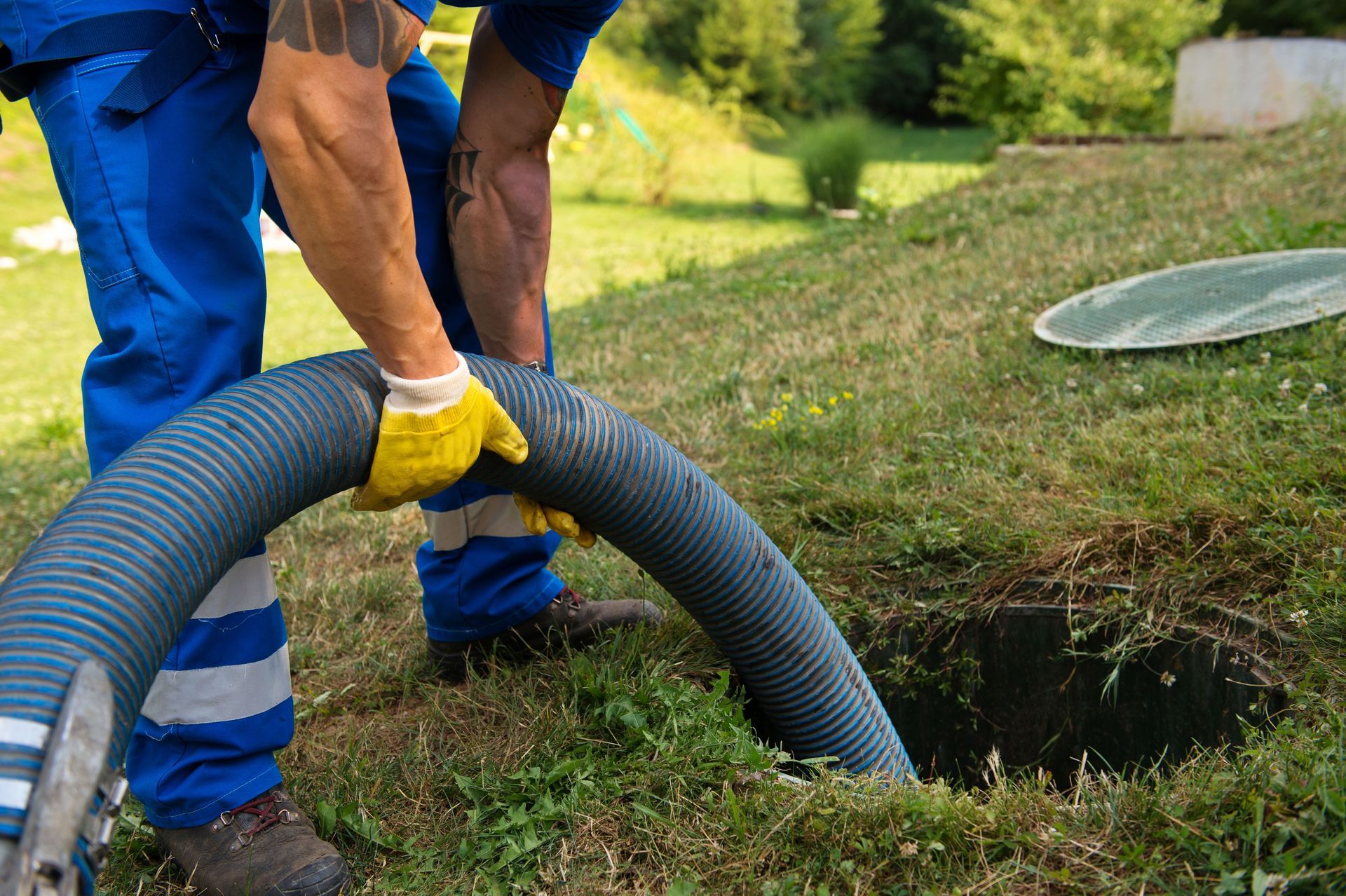
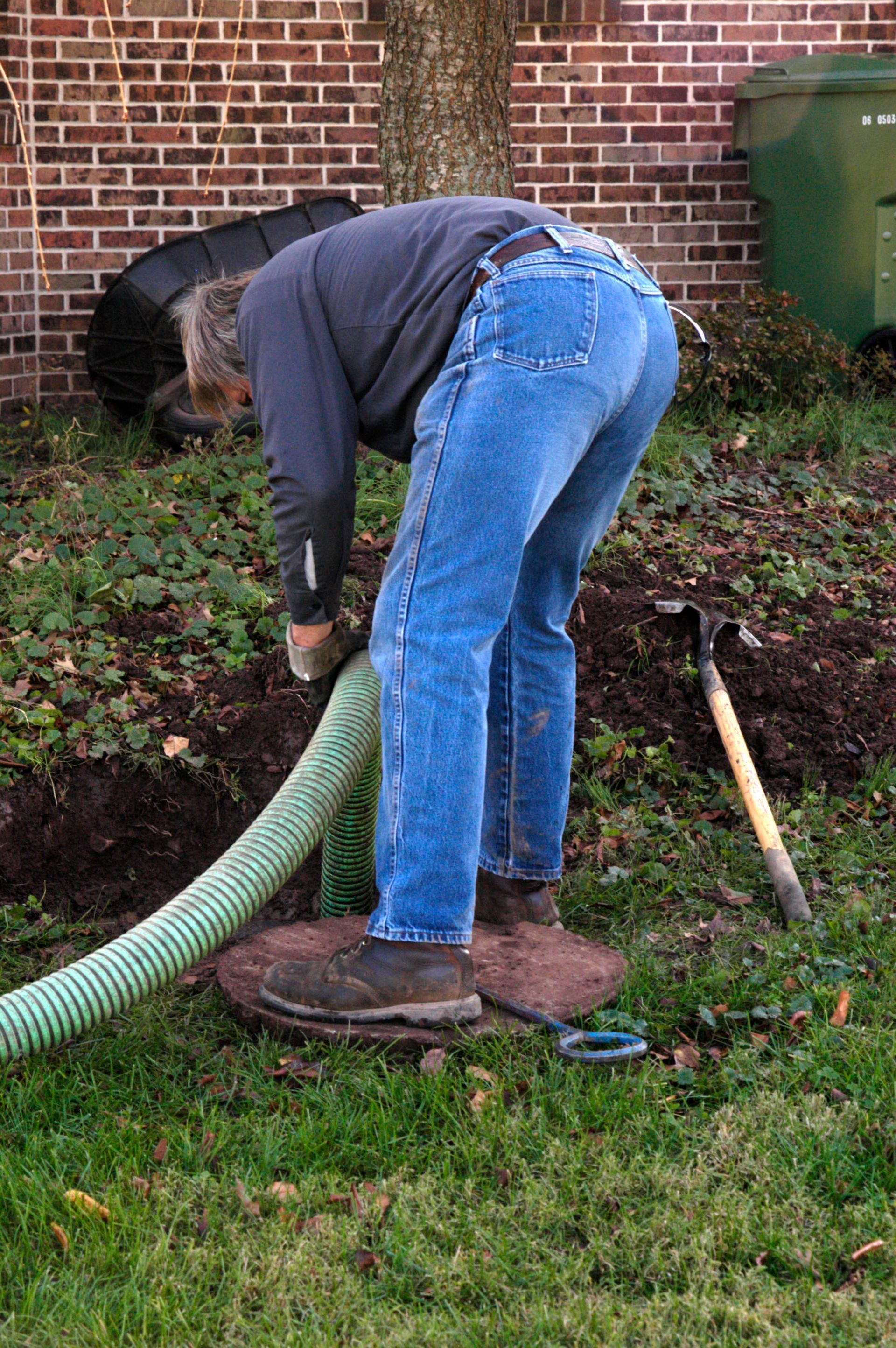
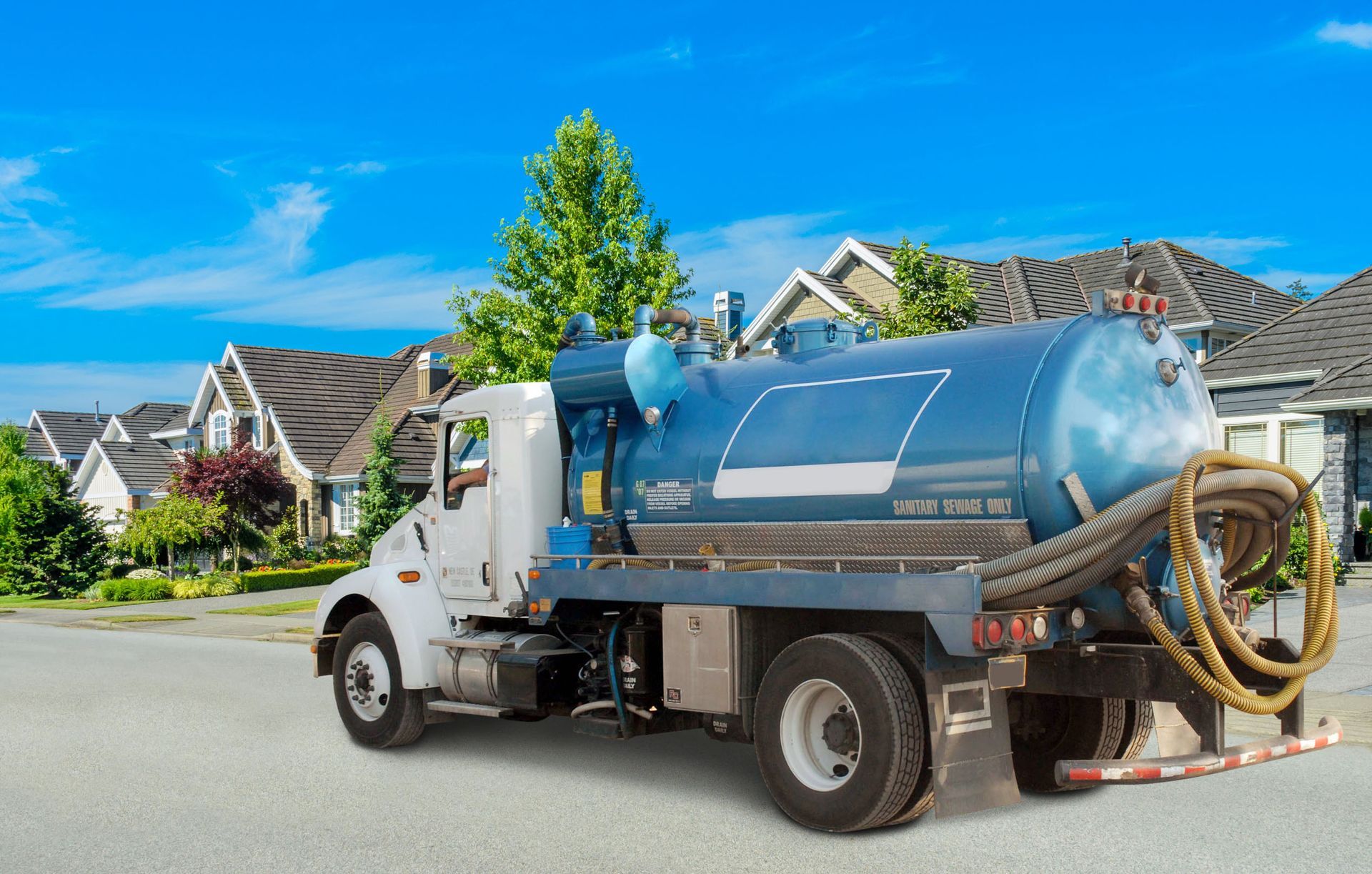
Professional technicians measure sludge depth, inspect inlet and outlet baffles, clean effluent filters, and pump out accumulated solid waste using commercial-grade vacuum trucks. Regular pumping intervals prevent catastrophic main line blockages, eliminate foul outdoor odors, and extend overall system lifespan by decades. Relying on dependable local septic services establishes a consistent maintenance schedule tailored specifically to your household size, tank volume, and daily water consumption patterns.
At Tri-County Septic Service LLC, we are deeply committed to protecting your property's sanitation infrastructure, preserving your financial equity, and delivering superior subterranean wastewater solutions through master trade craftsmanship, advanced diagnostic equipment, and dedicated customer care. Our team of certified service specialists brings extensive residential waste management expertise, commercial vacuum pumping capabilities, drainfield evaluation, effluent filter maintenance, and meticulous attention to detail to every tank pump-out, baffle repair, line clearing, emergency backup response, and professional local septic services call we execute across our community. We take immense pride in evaluating your property's unique system architecture, analyzing daily water usage demands, guiding you through tailored maintenance schedules, and serving as your trusted environmental safety partner to bring total system reliability, property protection, and enhanced value to your residence. Furthermore, our business prioritizes clear communication, transparent written estimates, clean jobsite management, and exceptional service performance from initial site inspection through final service completion. We carefully inspect every tank seal, baffle wall, filter assembly, and distribution box to guarantee maximum structural durability, code compliance, and complete homeowner satisfaction. Contact us today to schedule your comprehensive system consultation and discover the true value of working with dedicated local wastewater specialists.